Understanding Traditional Instruments Of Ancient Silk Road Musical Cultures
The Silk Road, an ancient network of trade routes connecting East and West, was not only a hub for commodities and ideas but also a melting pot of diverse cultures. Alongside the flow of goods and ideologies, the Silk Road also facilitated the spread of music, creating an exhilarating exchange of traditional instruments and musical cultures. From the celestial sounds of China’s guqin to the mesmerizing melodies of India’s sitar, the Silk Road was a treasure trove of musical traditions. In this article, we will embark on a journey to understand the traditional instruments of ancient Silk Road musical cultures and explore the unique characteristics that make them so captivating.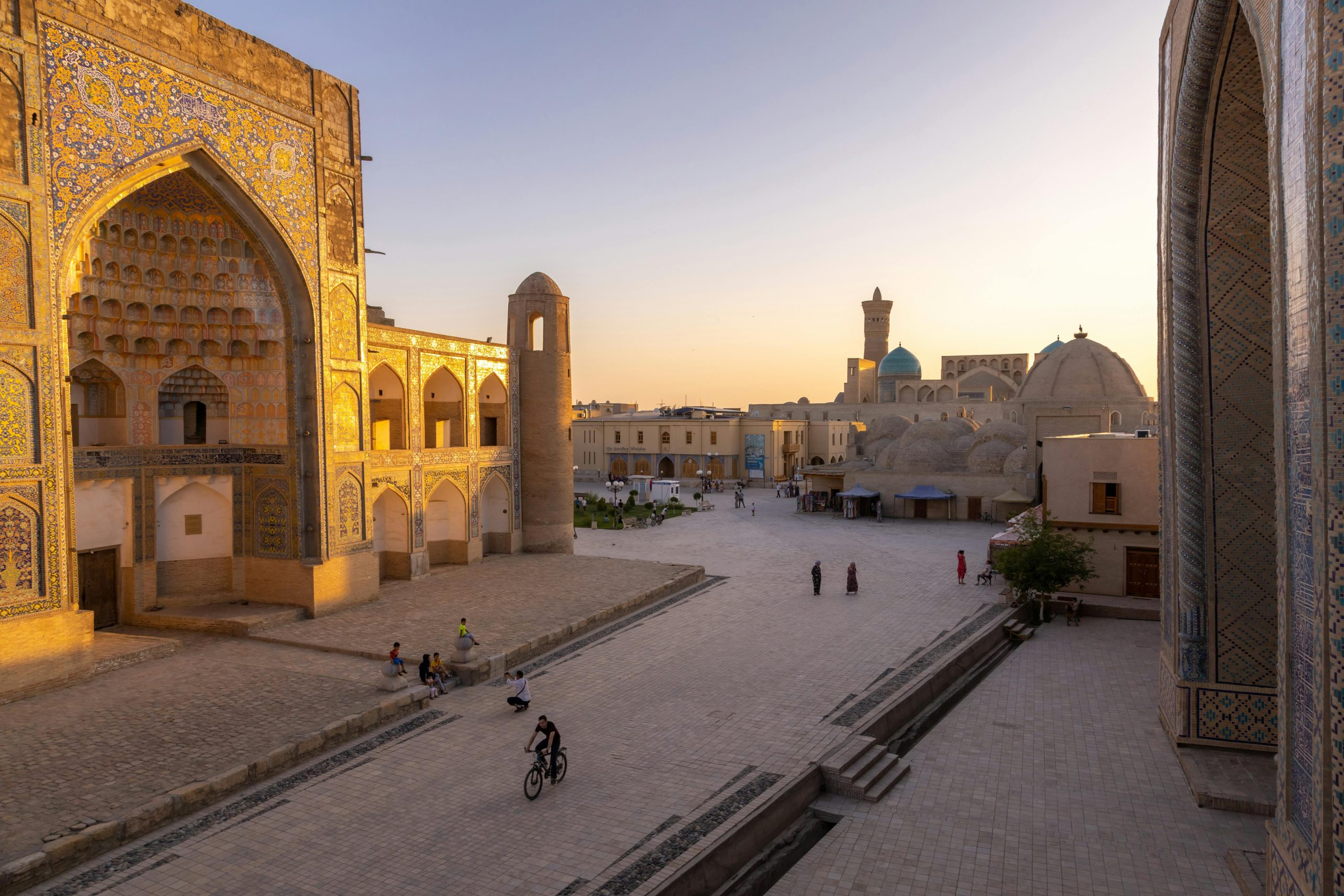
The Daf of Iran
As one of the oldest musical instruments of Persia, the Daf or the frame drum played an integral role in the music of Iran. Its circular frame, made of hardwood, is covered with a stretched membrane, often made from goat skin. The instrument is typically played with hands and fingers, producing a vibrant rhythm that is the backbone of traditional Persian music. The Daf’s versatility and rhythmic complexity make it a popular choice not only in Persian music but also in other Silk Road cultures, including Armenia and Turkey.
The Pipa of China
A four-stringed lute, the Pipa, originated from Central Asia but gained widespread popularity in China during the Tang dynasty. Its pear-shaped body, with a short neck and a head carved into the shape of a dragon, is made from wood and covered with snakeskin. The instrument is played with a series of plucking techniques, creating a serene yet dynamic sound that is synonymous with traditional Chinese music. Over the centuries, the Pipa has undergone several modifications, evolving into different versions and giving rise to a rich repertoire of Pipa music in China.
The Tabla of India
The Tabla, a pair of drums played in North Indian classical music, is a result of the fusion of two different instruments- the Bayan and the Dayan. The Dayan, also known as the tabla, is a small wooden drum with a narrow-headed side, while the Bayan, also known as the dagga, is a larger metal drum with a wider-headed side. The two drums combined produce a complex and melodic rhythm that forms the backbone of Indian classical music. With its intricate techniques and intricate beats, the tabla has become an iconic instrument not only in India but also across the Silk Road.
The Uyghur Rawap of Central Asia
The rawap, a long-necked plucked string instrument, is an integral part of the Uyghur musical tradition of Central Asia. Similar to the Pipa, the rawap is a descendant of the Central Asian lute and has a pear-shaped body covered with snakeskin. Its soft and gentle sound is often accompanied by the Daf and the tanbur to produce a mesmerizing effect in Uyghur music. The rawap’s influence can also be seen in other Silk Road countries such as Kazakhstan, Kyrgyzstan, and Uzbekistan.
The Rubab of Afghanistan
The Rubab, a short-necked lute, has been the most popular traditional instrument in Afghanistan for centuries. Often referred to as the “lion of instruments,” the Rubab is covered with a skin membrane and has three strings that are plucked with a wooden plectrum. The intense and melancholic sound of the Rubab is often used to convey the struggles and hardships of the Afghan people in traditional songs. With its widespread popularity and significance in Afghan culture, the Rubab has also become a symbol of national identity.
The Santur of Persia
The Santur, a stringed dulcimer, has been an integral part of Persian music for more than a thousand years. Its trapezoid-shaped body, with a series of strings stretched over a wooden frame, is played by striking the strings with two mallets. The Santur’s heavenly sound, often described as a combination of a harp and a guitar, can be heard not only in Persian traditional music but also in other Silk Road countries, including India and Turkey.
The ancient Silk Road may have been long gone, but the legacy it left behind resonates in the traditional instruments and musical cultures that are still celebrated today. From the Daf of Iran to the Santur of Persia, these instruments not only produce beautiful melodies but also tell the tales of this historic trade route. Understanding their unique characteristics and the cultures they represent allows us to appreciate and preserve these musical traditions for generations to come.