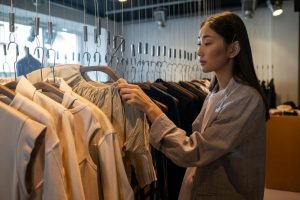
Why Upcycling Deadstock Fabric Is Essential For New Designers
The fashion industry has long been criticized for its negative impact on the environment. From the immense amount of waste generated to the use of harmful chemicals and non-renewable resources, the fashion industry has a significant carbon footprint. However, in recent years, there has been a growing trend towards sustainability in fashion, with more designers and brands incorporating eco-friendly practices into their production processes. One such practice that has gained attention is upcycling deadstock fabric. In this article, we will discuss why upcycling deadstock fabric is essential for new designers and how it is revolutionizing the fashion industry.
The Problem with Deadstock Fabric
Deadstock fabric refers to leftover or excess fabric that is no longer needed or used by manufacturers or retailers. This could be due to overproduction, cancelled orders, or changes in design plans. This fabric often ends up in landfills or incinerators, contributing to the already alarming levels of textile waste. In fact, according to the United Nations Environment Programme, the fashion industry produces 92 million tons of textile waste annually, with only 12% of it being recycled.
But the environmental impact is not the only issue with deadstock fabric. It also poses a financial burden to manufacturers and retailers. The cost of producing and storing excess fabric can add up quickly, leading to losses for businesses.
How Upcycling Deadstock Fabric is Making a Difference
Upcycling deadstock fabric involves taking these unused materials and turning them into new, high-quality products. This process not only reduces the amount of textile waste but also gives new life to otherwise discarded fabric.
One of the main benefits of upcycling deadstock fabric is that it reduces the need for new materials. This means a decrease in the use of non-renewable resources, such as water, energy, and raw materials. It also reduces the carbon emissions and pollution associated with the production and transportation of new materials.
Moreover, upcycling deadstock fabric promotes a circular economy. Instead of the traditional linear model of production where materials are used and discarded, the circular economy aims to keep resources in use for as long as possible. By upcycling deadstock fabric, designers are contributing to a more sustainable and environmentally friendly fashion industry.
The Impact on New Designers
For new and emerging designers, upcycling deadstock fabric offers a way to create unique and eco-friendly collections. With the abundance of deadstock fabric available, designers have a wide variety of materials to choose from, allowing them to be more creative and experimental with their designs. This also opens up opportunities for smaller designers to access high-quality materials at a lower cost.
Upcycling deadstock fabric also adds value to a designer’s brand, with consumers becoming increasingly aware and conscious of sustainability issues in the fashion industry. By incorporating upcycled materials into their collections, designers can attract environmentally conscious consumers and differentiate themselves from the competition.
Challenges Faced by New Designers
Despite the benefits, there are challenges that new designers may face when incorporating upcycled deadstock fabric into their collections. One of the main challenges is sourcing the fabric. While there is a large supply of deadstock fabric available, it may not always be the right type or quantity needed for a specific design. This requires designers to be flexible and creative in their design process.
Another challenge is the time and effort required to upcycle the fabric. Unlike using new, readily available materials, upcycling often involves breaking down and reconstructing the fabric, which can be time-consuming and labor-intensive. This may also require new skills or techniques that designers may not have experience with, adding to the learning curve.
The Future of Upcycling Deadstock Fabric
As the fashion industry continues to shift towards more sustainable practices, upcycling deadstock fabric will likely become even more prevalent. Many big-name brands have already incorporated upcycled materials into their collections, setting an example for others to follow. In addition, there is a demand for eco-friendly fashion from consumers, making it a viable business strategy for new and established designers.
There is also a growing trend of collaborations between designers and manufacturers or retailers to use their excess fabric. This not only benefits both parties but also promotes a more circular approach to production and reduces the amount of waste generated in the industry.
Conclusion
In conclusion, upcycling deadstock fabric is essential for new designers as it offers various benefits, both environmentally and commercially. It enables designers to create unique and sustainable collections and contributes to a more circular and eco-friendly fashion industry. While there may be challenges, the potential for positive impact and growth makes it a practice that designers should consider incorporating into their design process.