The Importance Of Representation In Modern Global Fashion Campaigns
In recent years, the fashion industry has faced increasing pressure to diversify and represent multiple cultures, races, body types, and gender identities in their campaigns. This push for representation reflects a growing demand for inclusivity and accountability in the highly influential world of fashion. The rise of social media and the power of global trends have made it more crucial than ever for fashion brands to embrace diversity in their campaigns. From empowering underrepresented communities to fostering a positive brand image, here’s why the representation in modern global fashion campaigns is essential.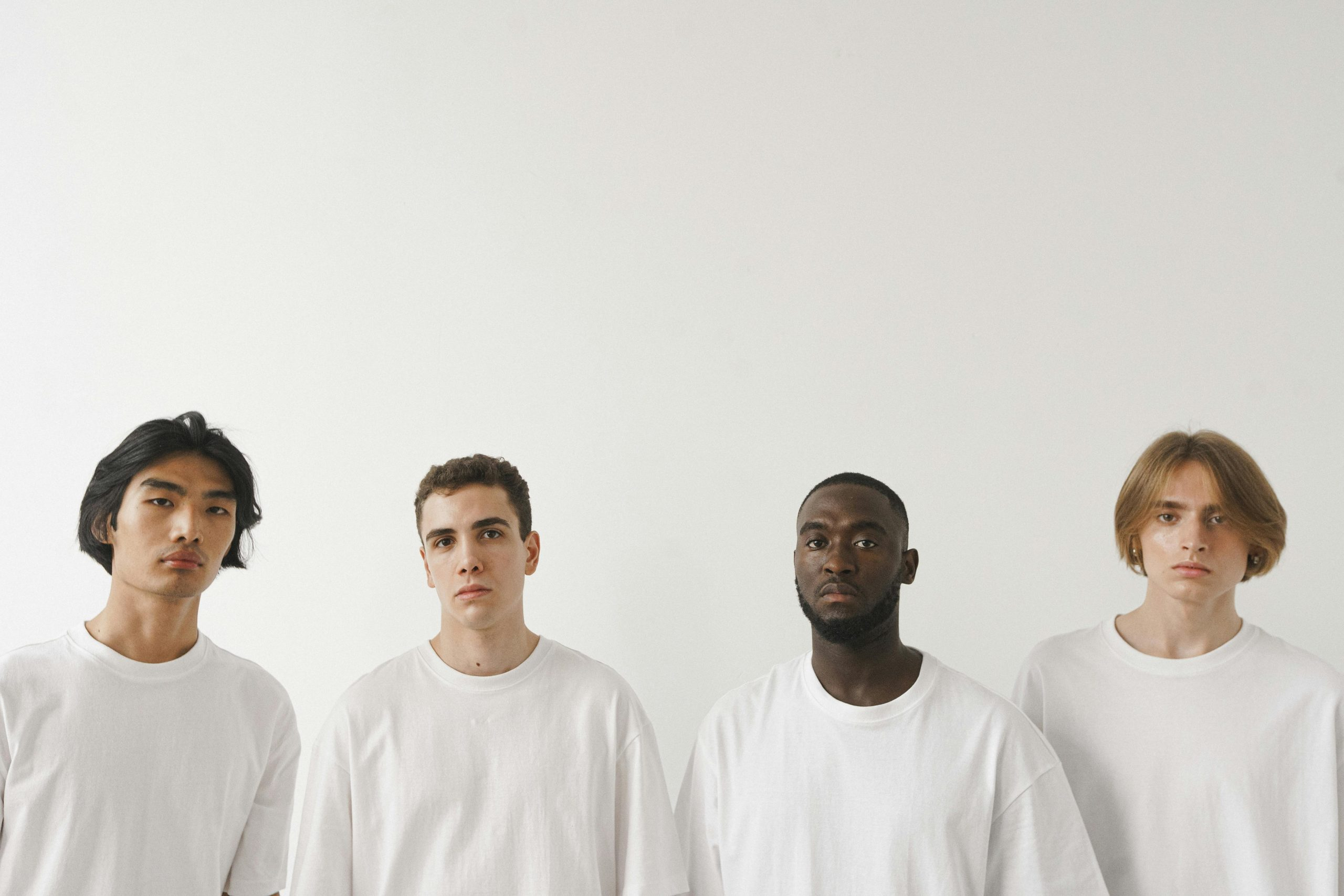
The Impact of Representation on Marginalized Communities
The lack of diversity in fashion campaigns not only perpetuates harmful beauty standards but also alienates and excludes large segments of society. The Eurocentric, thin, and able-bodied standards that have dominated the industry for decades have left people of color, plus-size, and disabled individuals feeling unrepresented and invisible. The limited representation in fashion creates a sense of inadequacy and a lack of visibility for underrepresented communities, leading to feelings of exclusion and marginalization. By including diverse models in fashion campaigns, brands can help break down these harmful beauty standards and uplift communities that have been previously excluded.
The Importance of Cultural Representation
With the rise of global consumerism, the fashion industry has a responsibility to accurately represent the diverse cultures and traditions of the world. Allowing diverse communities and cultures to see themselves represented in fashion campaigns promotes inclusivity and celebrates the beauty of diversity. Not only is this essential for fostering a sense of belonging and self-acceptance for those who identify with those cultures, but it also helps to educate and expose other communities to different perspectives and traditions.
The Power of Representation in Changing Beauty Standards
In recent years, the fashion industry has been called to task for perpetuating unrealistic and unattainable beauty standards. By showcasing a narrow depiction of beauty in their campaigns, fashion brands have been complicit in creating a culture of body shaming and low self-esteem. However, with the growing demand for diverse representation, the industry has started to make changes. By featuring models of different sizes, shapes, and abilities, fashion campaigns can help to redefine what is considered beautiful and normalize diverse bodies. This not only promotes body positivity and inclusivity but also encourages individuals to embrace their unique identities.
The Role of Inclusivity in Brand Image
In today’s social media-driven world, the public is more aware of issues surrounding diversity and inclusivity than ever before. As a result, consumers are increasingly seeking out brands that align with their values and promote diversity. By featuring a diverse range of models in fashion campaigns, brands can demonstrate their commitment to inclusivity and tap into a growing consumer base that values representation and diversity. This can also help to differentiate a brand from its competitors and attract a global audience.
Conclusion
The importance of representation in modern global fashion campaigns cannot be overstated. From empowering marginalized communities to promoting inclusivity and diversity, fashion brands have a responsibility to reflect the world we live in. By embracing diverse representation in their campaigns, brands can send a powerful message of acceptance and inclusivity, and help shape a more positive and diverse culture within the fashion industry and beyond.