
Building Inclusive Environments For Students With Diverse Learning Needs
Schools are meant to be inclusive environments where students of all backgrounds and abilities can learn and thrive. However, the reality is that many students with diverse learning needs face barriers and challenges in traditional classroom settings. In order to truly provide equal opportunities for all students, it is essential for educational institutions to prioritize building inclusive environments that cater to the needs of every student, regardless of their learning differences. In this article, we will explore the importance of creating inclusive environments for students with diverse learning needs and how it can positively impact their academic and social development.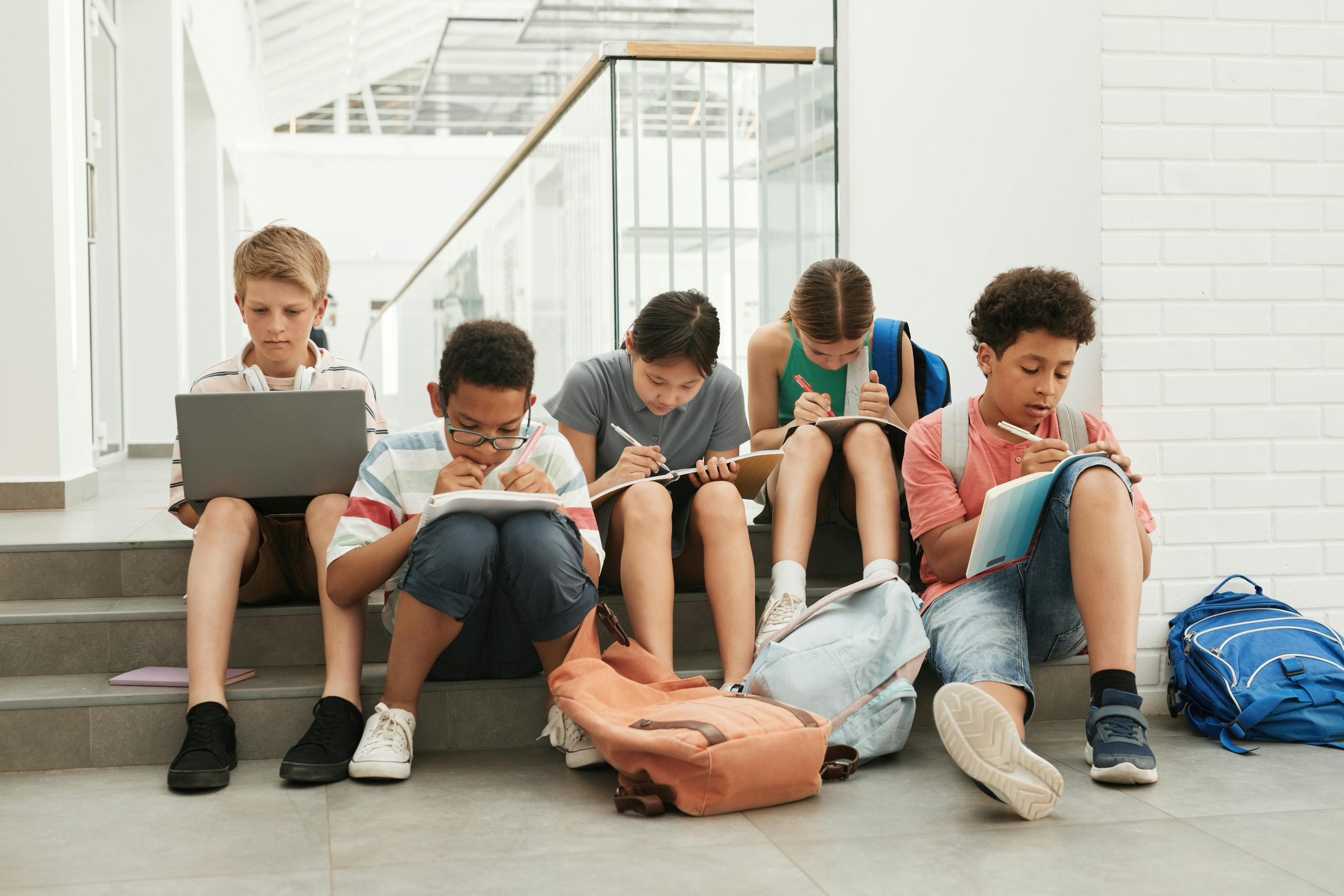
Understanding Diverse Learning Needs
Students with diverse learning needs encompass a wide range of abilities and challenges that can impact their learning experience. These needs can include but are not limited to, students with disabilities, students from different cultural and linguistic backgrounds, students with behavioral or emotional disorders, and students who are gifted or talented. These students may require unique accommodations and support to fully engage in their education and achieve their full potential.
The Downfalls of a One-Size-Fits-All Approach
In a traditional classroom setting, the curriculum and teaching methods are often tailored towards the average student who learns in a conventional way. However, this approach often falls short for students with diverse learning needs as they may require different strategies and techniques to learn effectively. When these students are not properly accommodated, they can fall behind and become disengaged from their education, leading to low self-esteem and a lack of motivation.
Moreover, a one-size-fits-all approach can also lead to students being stigmatized and labeled based on their differences, which can negatively impact their self-perception and social interactions with their peers. This can create a toxic learning environment where students do not feel accepted and included, hindering their overall development.
The Benefits of Inclusive Environments for Students with Diverse Learning Needs
Building inclusive environments for students with diverse learning needs can have numerous benefits, not only for these students but for the entire school community as well. These benefits can include:
Promoting a Sense of Belonging
By creating an inclusive environment, students with diverse learning needs can feel a sense of belonging and acceptance. They will no longer feel isolated or different from their peers, but rather included and valued for their unique abilities and contributions. This sense of belonging can have a positive impact on their mental health and overall well-being.
Individualized Learning and Support
An inclusive environment allows for individualized instruction and support for students with diverse learning needs. This means that teachers can tailor their teaching methods and materials to accommodate the specific needs and learning styles of each student. This can greatly improve their academic performance and increase their confidence in their abilities.
Promoting Diversity and Empathy
Inclusive environments also provide opportunities for students to interact and learn from their peers with diverse backgrounds and abilities. This exposure can lead to a greater appreciation and understanding of differences, promoting empathy and respect in the school community. It also prepares students for the diverse world they will enter as adults.
Building Inclusive Environments: Practical Tips
Creating an inclusive environment for students with diverse learning needs requires a collective effort from all members of the school community, including teachers, administrators, and parents. Here are some practical tips to help build an inclusive environment in your school:
Training and Professional Development
Teachers and staff must be provided with training and professional development opportunities to understand and cater to the needs of students with diverse learning needs. This can include workshops, seminars, and conferences that focus on inclusive teaching strategies and accommodations.
Flexible Learning Environments
Schools can also implement flexible learning environments that allow for individualized instruction and support. This can include access to assistive technology, flexible seating options, and sensory-friendly spaces for students who may need a break from the traditional classroom setting.
Collaboration and Communication
Collaboration and communication between teachers, parents, and students are vital in creating an inclusive environment. Teachers should regularly communicate with parents about their child’s progress and work together to develop personalized learning plans that meet their specific needs.
Conclusion
Inclusive environments are not only necessary for students with diverse learning needs, but they benefit the entire school community as well. It is essential for schools to prioritize building inclusive environments to ensure that every student has equal opportunities to learn and succeed. By fostering a sense of belonging, providing individualized support, and promoting diversity and empathy, we can create a welcoming and inclusive educational environment for all students.