The Rise Of Sustainable Prefabricated Homes In Modern Markets
Sustainability and eco-friendliness have become buzzwords in the modern era. With an increasing awareness of the environmental impact of human activities, there has been a rise in demand for sustainable solutions in all aspects of life, including housing. In recent years, prefabricated homes have emerged as a popular choice among homeowners looking for an eco-friendly and cost-effective housing option. These sustainable prefabricated homes have not only transformed the way we think about housing but also how we build and live in our homes. In this article, we will delve into the rise of sustainable prefabricated homes in modern markets and explore the many benefits they offer.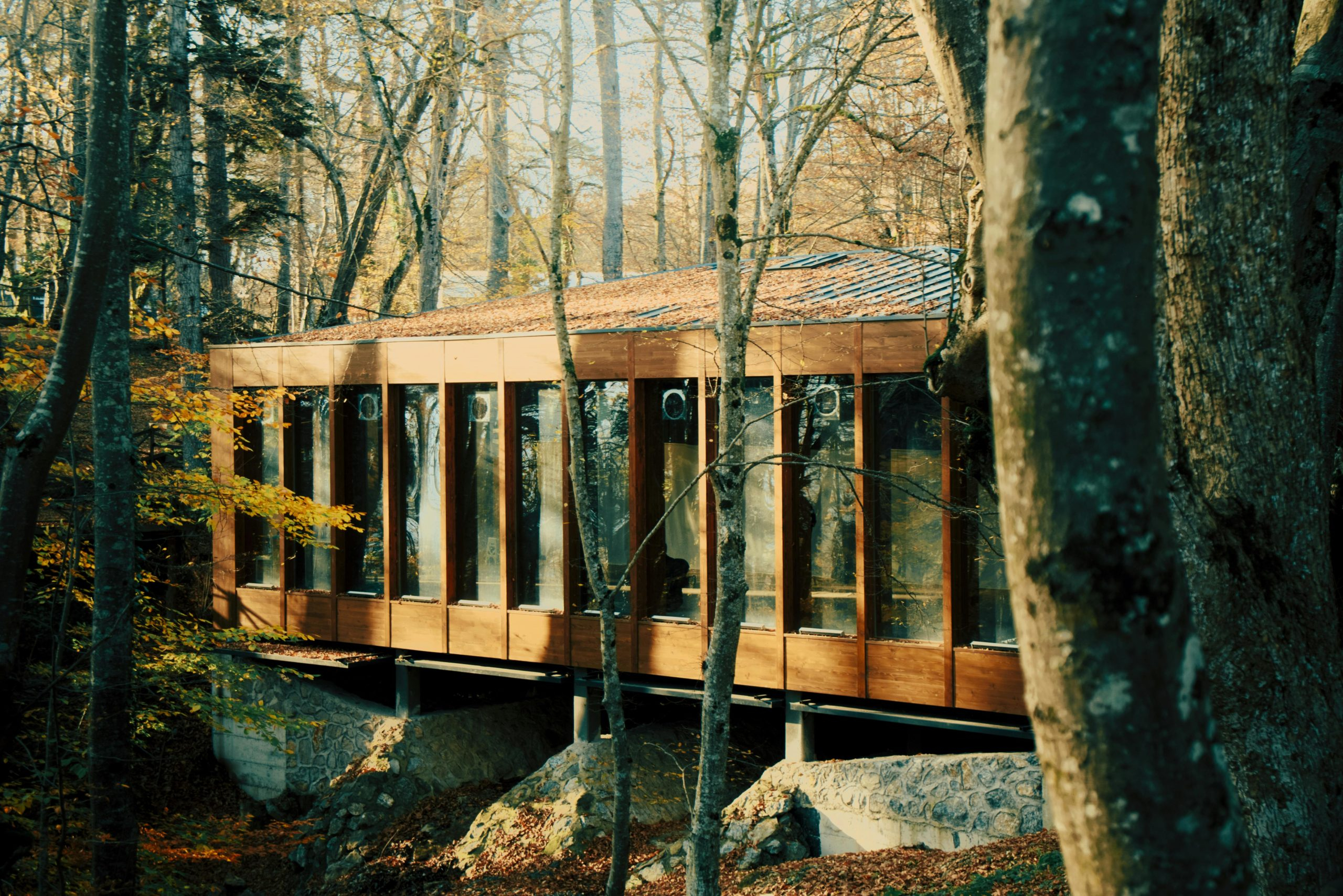
The Evolution of Prefabricated Homes
Prefabricated homes, or prefab homes for short, have been around for centuries but have gained popularity in the modern era. These homes are created off-site in a factory or manufacturing facility, and then transported and assembled on the building site. In the past, prefab homes were often associated with low-quality and temporary housing solutions, but that perception has drastically changed in recent years.
With advanced technology and modern design techniques, prefabricated homes have evolved into a sustainable and cost-effective housing solution. The integration of sustainable materials and practices has made prefabricated homes a preferred choice among environmentally-conscious homeowners.
The Benefits of Sustainable Prefabricated Homes
1. Reduced Waste and Environmental Impact
One of the main benefits of sustainable prefabricated homes is their reduced impact on the environment. These homes are built in a controlled factory setting, which results in minimal waste during the construction process. Traditional homes, on the other hand, generate a large amount of waste during the building process, contributing to environmental pollution.
Moreover, sustainable materials such as recycled steel, wood, and energy-efficient windows are often used in the construction of prefabricated homes, making them more eco-friendly. This not only reduces the environmental impact of building a home but also promotes sustainable living for homeowners.
2. Cost-Effective
Prefab homes are known for their cost-effectiveness. With their off-site manufacturing process, prefabricated homes take significantly less time to build compared to traditional homes, resulting in lower labor costs. Additionally, the use of sustainable materials can also lead to lower energy bills in the long run, making these homes a budget-friendly option for homeowners.
3. Customizability
Contrary to popular belief, prefabricated homes offer a high level of customizability. While they are built from pre-made modules, homeowners have the freedom to choose from a variety of designs, floor plans, and finishes to suit their preferences and needs. This allows for a unique living space that is tailored to the homeowner’s taste.
The Growing Popularity of Prefabricated Homes
The demand for sustainable housing solutions has propelled the popularity of prefabricated homes in modern markets. Countries like Japan and Sweden have been at the forefront of using prefabricated homes to combat housing shortages and promote sustainable living. In the United States, the market for prefab homes is also growing, with companies like Blu Homes, LivingHomes, and Plant Prefab leading the way.
The COVID-19 pandemic has also played a role in the increased demand for prefabricated homes. With many people now working remotely, there has been a shift towards more affordable and spacious living spaces, making prefabricated homes a desirable option for many.
Conclusion
In conclusion, the rise of sustainable prefabricated homes in modern markets is a positive trend towards more eco-friendly and cost-effective housing solutions. With their many benefits and growing popularity, it is clear that prefabricated homes are here to stay. As technology and design continue to advance, we can only expect to see even more innovative and sustainable options in the world of prefabricated homes.