
How Kinetic Learning Styles Benefit Energetic Primary School Students
Kinesthetic learning style is a unique way of learning that involves the use of physical movements to comprehend information. This approach is particularly beneficial for energetic primary school students who have a natural tendency to be active and learn through movement. Often referred to as hands-on learning, kinesthetic learning style gives young students the opportunity to engage their bodies, as well as their minds, in the learning process. In this article, we will explore how this learning style can benefit energetic primary school students and why it is important to incorporate it into their education.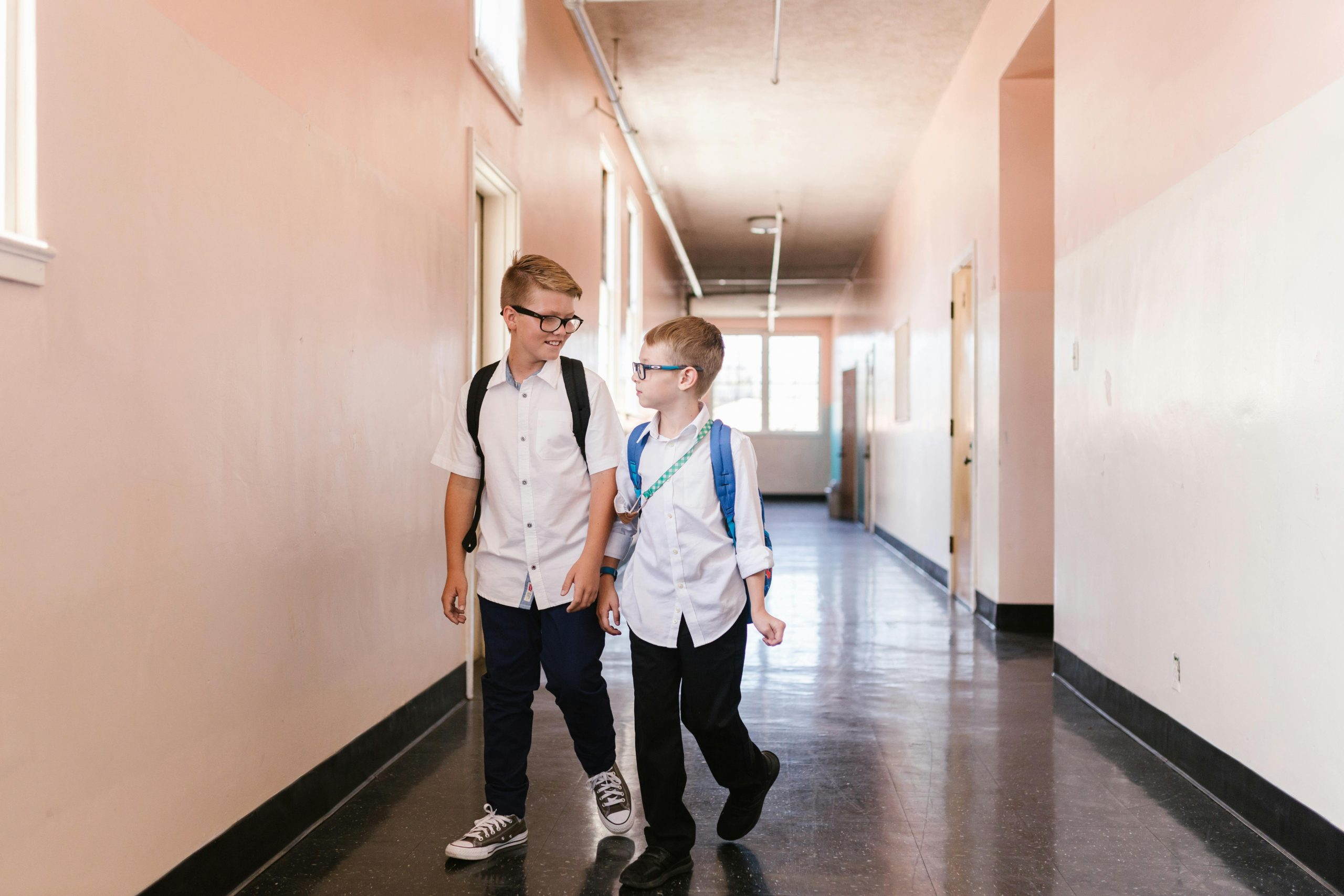
The Importance of Kinesthetic Learning
While traditional classroom settings mostly rely on auditory and visual learning methods, research has shown that incorporating kinesthetic learning can be highly beneficial for young students, especially those who are energetic and struggle to sit still for long periods. By involving physical movement, kinesthetic learning allows students to connect with the material in a more meaningful way, leading to better retention and understanding of the subject matter.
Engaging Energetic Primary School Students
Energetic primary school students are known for their love of movement and hands-on activities. However, traditional learning methods often don’t cater to their learning style, which can lead to disengagement and poor academic performance. Kinesthetic learning, on the other hand, offers a more dynamic and interactive way of learning that can captivate the attention of these students and keep them engaged throughout the lesson.
By incorporating physical activities, such as games, role-playing, and experiments, kinesthetic learning allows for students to actively participate in the learning process and make meaningful connections with the subject matter. This not only keeps them interested but also helps them retain information better.
Enhancing Motor Skills and Coordination
Another benefit of kinesthetic learning for energetic primary school students is its ability to improve their motor skills and coordination. As the name suggests, this learning style involves physical movement, which not only keeps students physically active but also helps them develop their fine and gross motor skills.
Through activities like building models, drawing, and playing games, students are able to improve their hand-eye coordination, balance, and spatial awareness. This not only benefits their academic performance but also contributes to their overall physical and cognitive development.
Boosting Confidence and Self-Esteem
Energetic primary school students often struggle with sitting still and paying attention in the classroom, which can lead to feelings of frustration and inadequacy. However, the use of kinesthetic learning can help boost their confidence and self-esteem by giving them the opportunity to learn and excel in a way that comes naturally to them.
When students are able to actively participate and succeed in their learning, it can significantly improve their self-perception and motivation towards academic achievement. This can lead to a more positive attitude towards learning and a higher level of engagement in the classroom.
Incorporating Kinesthetic Learning in the Classroom
Incorporating kinesthetic learning in the classroom doesn’t have to be complicated or time-consuming. Simple activities like incorporating movements and gestures into lessons, using hands-on materials and props, and allowing students to work in groups can go a long way in engaging energetic primary school students.
Teachers can also make use of technology and online resources to create interactive and engaging learning experiences. For example, virtual simulations, educational apps, and digital games are all excellent tools that can make learning more dynamic and hands-on for students.
Conclusion
Kinesthetic learning is a highly effective and beneficial approach for energetic primary school students. By allowing them to engage their bodies and incorporate physical movement into their learning, it helps to enhance their academic performance, motor skills, self-esteem, and overall development. Therefore, it is important for educators to recognize and incorporate this learning style into their teaching strategies to facilitate a more engaging, effective, and inclusive learning experience for all students.