Transforming Higher Education Through Virtual Reality Immersive Experiences
The world of higher education is constantly evolving and adapting to new technologies. One of the most exciting advancements in recent years is the use of virtual reality (VR) immersive experiences in the classroom. This innovative tool has the potential to transform the way students learn, engage with content, and prepare for their future careers. In this article, we will explore the use of virtual reality in higher education and how it is revolutionizing the traditional college experience.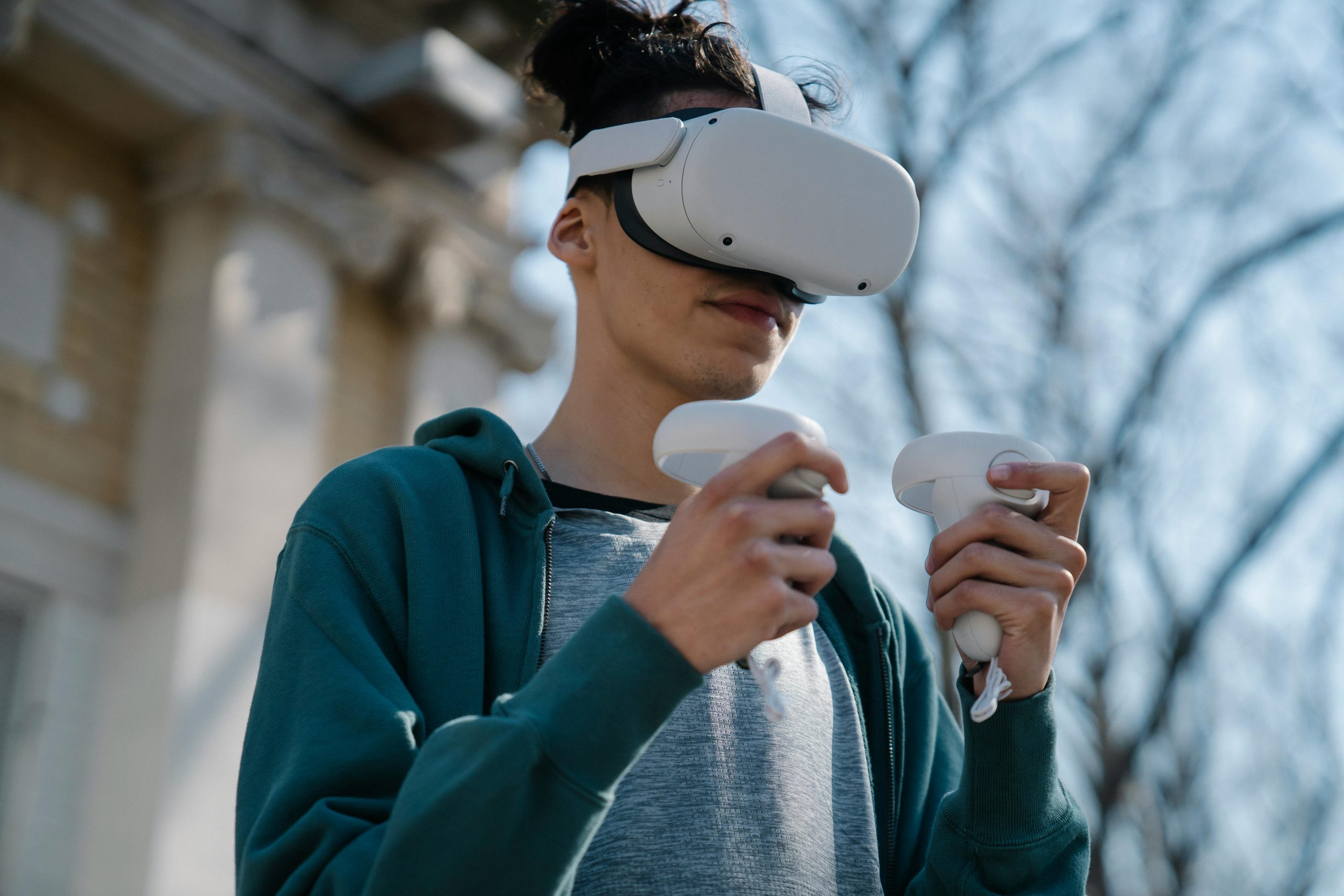
The Power of Immersive Learning
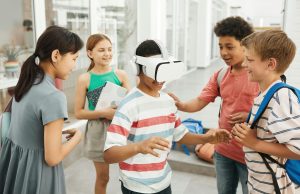
First, let’s define what we mean by virtual reality and immersive experiences. Virtual reality is a computer-generated simulation of a three-dimensional environment that can be interacted with in a seemingly real or physical way. When a person puts on a VR headset, they are transported into a new world, whether it’s a historical location, a scientific phenomenon, or a completely fictional setting.
Immersive experiences take virtual reality a step further by creating a fully immersive and interactive environment. These experiences use state-of-the-art technology such as haptic feedback, motion tracking, and 3D audio to engage all of the senses. The result is a truly immersive and realistic experience that allows students to fully immerse themselves in the subject matter.
The Benefits of Virtual Reality in Higher Education
Enhanced Learning and Retention
One of the main advantages of using virtual reality in higher education is its ability to enhance learning and retention. Numerous studies have shown that students retain information better when they are actively engaged in the learning process. With virtual reality, students are not just reading about a concept or watching a video, they are actively experiencing it. This hands-on approach to learning has been proven to increase information retention and improve overall academic performance.
Real-World Applications and Practice
Virtual reality also allows students to practice real-world skills and scenarios in a safe and controlled environment. For example, medical students can use VR to simulate surgeries or emergency situations, giving them valuable practice before entering a real operating room. Engineering students can design and test structures in a virtual environment, without the risk of physical harm. The possibilities are endless and provide students with valuable practical experience before they enter their chosen field.
Increased Engagement and Motivation
Incorporating virtual reality into the curriculum can also increase student engagement and motivation. Traditional lectures and textbooks can often feel dull and boring for students, leading to a lack of interest and motivation. Virtual reality provides a new and exciting way for students to interact with the material, making learning more enjoyable and stimulating. This can lead to higher levels of engagement and motivation, resulting in improved academic performance.
Accessibility and Inclusivity
Another benefit of using virtual reality is its potential to make education more accessible and inclusive. Students with disabilities or learning difficulties may have difficulty participating in traditional classroom activities. Virtual reality can provide these students with equal access to educational content, allowing them to fully engage with the material and participate in the learning experience.
The Future of Higher Education
As virtual reality technology continues to advance and become more affordable, its potential in higher education is limitless. Universities and colleges are already beginning to incorporate VR into their curriculum, and this trend is only expected to continue. As a result, we can expect to see a shift in the traditional college experience, with more interactive and immersive learning becoming the norm.
Not only does virtual reality have the potential to transform the way students learn, but it also has the power to change the landscape of higher education. With VR, students can study and collaborate with peers from all over the world, without ever leaving their own campus. This opens up opportunities for global collaboration and a truly diverse learning experience.
Conclusion
Virtual reality immersive experiences are revolutionizing higher education in ways we could not have imagined just a few years ago. From enhanced learning and retention to increased engagement and accessibility, the benefits of incorporating VR into the curriculum are numerous. As technology continues to advance, we can only imagine the endless possibilities and exciting developments that await in the future of higher education.