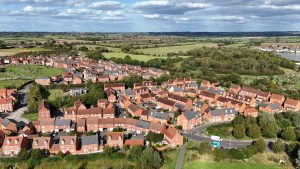
The Rise Of Smart Cities And Integrated Housing Solutions
With the rapid advancements in technology, the concept of a smart city has become a reality. These cities are not just focused on being technologically advanced, but also on providing integrated solutions for housing. This has resulted in a rise in demand for smart cities and integrated housing solutions. In this article, we will explore the reasons behind this trend and the impact it has on society.
The Definition of a Smart City
A smart city is an urban area that uses technology and data to improve the quality of life for its citizens. This includes a wide range of services such as transportation, energy management, healthcare, and waste management. The goal of a smart city is to use technology to create a sustainable and efficient environment for its residents.
The Rise of Smart Cities
The rise of smart cities can be attributed to the increasing urbanization and population growth. According to the United Nations, by 2050, it is estimated that 68% of the world’s population will live in urban areas. This rapid increase in urban population has put pressure on cities to find innovative solutions to manage resources and provide better living conditions for their citizens.
Moreover, governments and city planners are recognizing the potential of technology in creating sustainable and livable cities. Many countries have started to invest in developing smart cities, including China, Singapore, and South Korea. According to a report by Frost & Sullivan, the global smart city market is expected to reach $1.5 trillion by 2025.
Integrated Housing Solutions in Smart Cities
In a smart city, the focus is not just on the use of technology, but also on creating integrated housing solutions. This means providing affordable and quality housing that is connected to the city’s infrastructure. Integrated housing solutions also aim to create a diverse and inclusive community, promoting social cohesion and reducing income inequality.
One example of this is in Songdo, South Korea, which has been hailed as the world’s first smart city. The city has a centralized system for controlling energy usage, reducing the carbon footprint of buildings. It also has mixed-use buildings, with residential apartments, commercial spaces, and public facilities, all connected to the city’s infrastructure.
The Benefits of Integrated Housing Solutions
Sustainable Living
Integrated housing solutions promote sustainable living by incorporating energy-saving features, such as solar panels, into buildings. This reduces the dependency on traditional energy sources and helps to reduce carbon emissions. This, in turn, contributes to creating a greener and more environmentally friendly city.
Enhanced Quality of Life
By using advanced technologies, integrated housing solutions can improve the quality of life for its residents. This includes features such as smart lighting, waste management systems, and public transportation, making it easier and more convenient for residents to go about their daily lives.
Inclusive Communities
Integrated housing solutions aim to create diverse and inclusive communities by providing affordable housing for people of different income levels. This promotes social cohesion and helps to reduce income inequality, creating a more harmonious society.
The Future of Smart Cities and Integrated Housing Solutions
The concept of smart cities and integrated housing solutions is still in its early stages, but the potential for growth is immense. As technology continues to advance, we can expect to see more innovative solutions for efficient and sustainable urban living.
With the rise in global challenges such as climate change and population growth, the need for smart cities and integrated housing solutions will only increase. It is up to governments, city planners, and technology companies to work together to develop these solutions and create a better future for our cities.
Conclusion
The rise of smart cities and integrated housing solutions has the potential to revolutionize the way we live in urban areas. These cities not only use technology to improve efficiency and sustainability but also aim to create inclusive and livable communities. With the continuous development of technology, we can expect to see more smart cities in the near future, providing a better quality of life for residents and contributing to a more sustainable world.