
Why Music Criticism Still Matters In The Age Of Data
In today’s digital age, it seems that there is data for everything. From social media likes and streaming numbers to algorithm-generated recommendations, everything seems to be quantified and analyzed. This is especially true in the world of music, where streaming platforms and data analytics have taken over as the primary source for discovering new music. However, amidst all the data and algorithms, one question remains – does music criticism still matter? In this article, we will explore the importance of music criticism in the age of data and why it should not be overlooked.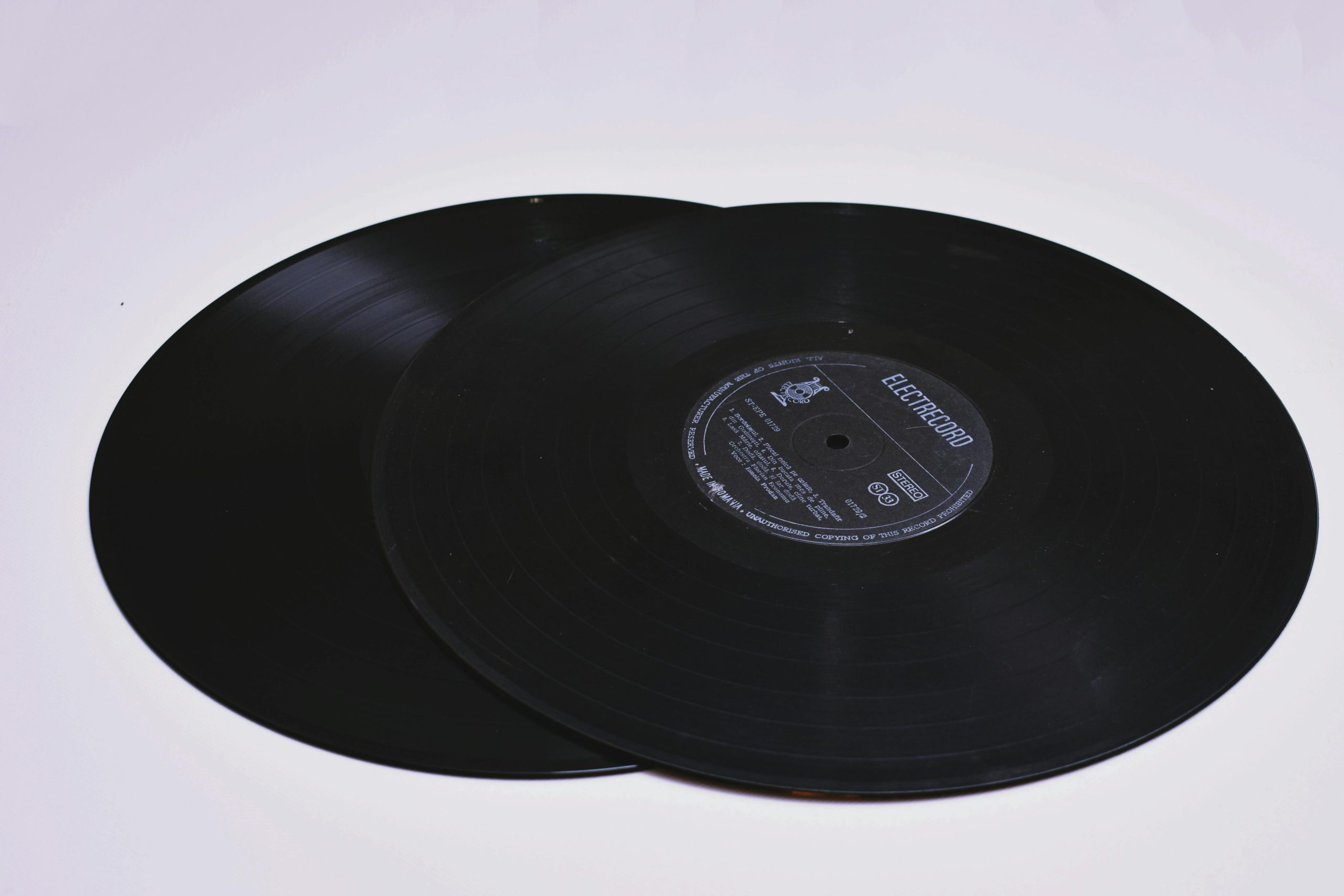
The Changing Landscape of Music Criticism
With the rise of data-driven platforms, the role of traditional music criticism has been slowly diminishing. In the past, music critics held significant influence in shaping the public opinion of an artist or album. Their reviews could make or break a career, and their words were highly valued. However, with the democratization of music distribution and the increasing ease of access to new music, traditional music criticism has been overshadowed by data-driven analytics.
This shift can be attributed to the vast amount of data available at our fingertips. With millions of songs and artists to choose from, it can be overwhelming for music listeners to navigate through the endless options. This is where data-driven platforms come in. Algorithms analyze user data, such as listening history and preferences, to make personalized recommendations. As a result, data is becoming the primary tool for music discovery, leading to the perception that music criticism is no longer relevant.
The Importance of Human Perspective
While data can certainly be helpful in discovering new music, it lacks the human element that music criticism offers. Music critics are trained professionals who can provide a contextual and critical analysis of an artist, album, or song. They possess a wealth of knowledge about the music industry, musical theory, and trends, making their opinions valuable and insightful.
Moreover, music critics are essential in highlighting the social and cultural impact of music. They can identify the underlying themes and messages in songs and albums and provide a meaningful interpretation. This perspective is crucial in understanding the deeper layers of a piece of music and can enhance the listening experience for the audience.
The Subjectivity of Music
Another reason why music criticism still matters is the subjective nature of music itself. While algorithms may recommend songs based on data, they cannot account for personal taste and emotional responses to music. Music is an art form that evokes emotions and connects people on a deeper level. Therefore, it requires a human touch to truly understand and appreciate it.
Furthermore, music is constantly evolving, with new genres and sub-genres emerging every day. Data-driven algorithms may not necessarily recognize or appreciate these changes, but music critics can. They can offer expert opinions on the evolution of music and its cultural significance, helping listeners to gain a deeper appreciation for the art form.
In Conclusion
In conclusion, music criticism still matters in the age of data. While data-driven platforms have certainly made music more accessible, they lack the human perspective and the ability to interpret the deeper meaning and impact of music. Music criticism offers a critical and contextual analysis of music and is essential in understanding and appreciating the art form. So the next time you discover a new artist or song, don’t forget to read some music reviews and keep the valuable role of music criticism in mind.
Remember, music is not just numbers and algorithms – it is a form of expression that connects us all, and music criticism helps us appreciate it even more.