
The Evolution Of Live Concert Visuals And Stage Design
Live concerts have always been a visual spectacle, with mesmerizing lights, mind-blowing effects, and elaborate stage design. Over the years, the use of visuals in live performances has evolved, reshaping the way we experience music. From simple stage setups to intricate and immersive performances, the evolution of live concert visuals and stage design has taken us on a journey of innovation, creativity, and technology.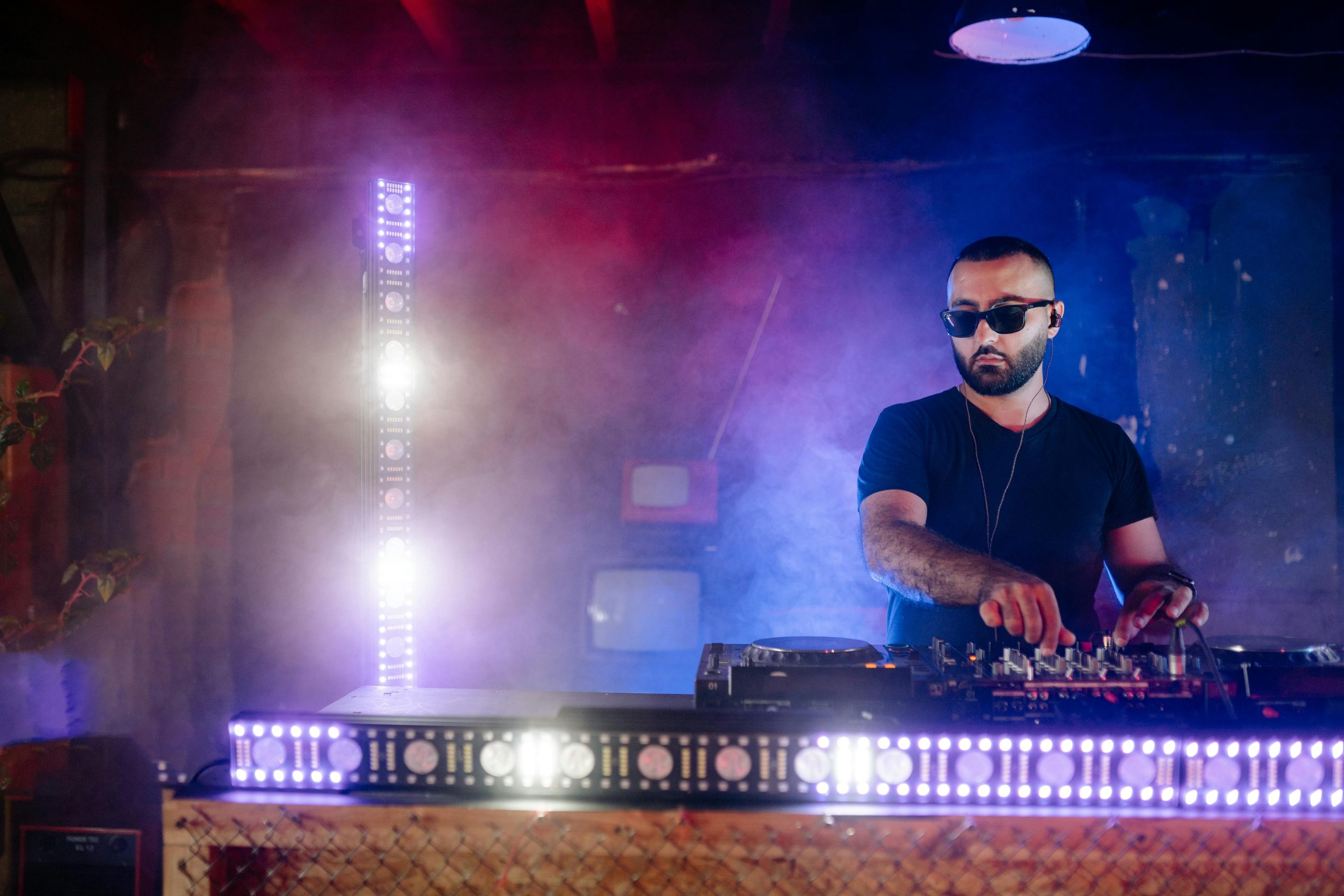
The Early Days: Basic Stage Setup
In the early days of live concerts, stage design was limited to basic elements such as stage lights, smoke machines, and perhaps a few props. The focus was on the music, with minimal visual distractions. However, as music genres evolved and artists became more experimental, the need to enhance the live concert experience grew.
Visuals Take Center Stage
In the 1970s, bands like Pink Floyd and The Who started incorporating projections and animations into their performances, giving birth to the concept of “concert visuals”. This was a groundbreaking move that paved the way for the use of more elaborate and captivating visuals in live concerts. As technology advanced, artists had access to more tools to create visually stunning shows.
The Rise of Live Video
In the 80s and 90s, live video became a popular addition to concerts. This involved projecting pre-recorded or live footage of the performers on big screens, allowing the audience to see them up close. This not only gave the audience a better view but also added a sense of intimacy to the performance. With the rise of music videos, this visual element became more common and was often integrated into stage design.
Immersive Visual Experiences
As technology continued to advance in the 2000s, so did the use of visuals in live performances. Artists started incorporating digital screens, LED walls, and 3D projections into their shows, creating immersive experiences that went beyond just music. This not only added to the overall visual appeal but also allowed for more creativity and storytelling within the performance.
The Present: A Fusion of Technology and Creativity
Today, live concerts have become a multimedia experience, with visuals playing a significant role in creating an unforgettable show. Artists are constantly pushing boundaries, using cutting-edge technology to enhance their performances. From holographic displays to interactive visuals controlled by the artists, the possibilities are endless. Live concerts have become a fusion of technology and creativity, offering audiences a multi-sensory experience like never before.
Looking Towards the Future
As technology continues to evolve, we can only imagine what the future holds for live concert visuals and stage design. Virtual and augmented reality, holograms, and even more immersive experiences are just some of the exciting possibilities. It’s safe to say that the evolution of live concert visuals is far from over, and we can’t wait to see what’s next.
In Conclusion
The evolution of live concert visuals and stage design has transformed the live music experience. From simple stage setups to immersive and awe-inspiring performances, visuals have become an integral part of live concerts. With technology continuously advancing, we can expect to see even more groundbreaking and innovative use of visuals in the future. One thing is for sure, the evolution of live concert visuals is here to stay, and we can’t wait to see where it takes us next.