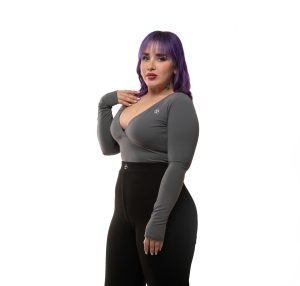
Exploring The Aesthetic Of Retro Futurism In Modern Apparel
When it comes to fashion, there is always a desire to push boundaries and create something new and exciting. Some designers look to the past for inspiration while others draw from futuristic elements, but what happens when these two worlds collide? Enter Retro Futurism, a trend that combines elements of vintage aesthetics with modern and futuristic elements. In recent years, this unique aesthetic has become increasingly popular in the fashion industry, particularly in the realm of apparel. In this article, we will explore the aesthetic of Retro Futurism in modern apparel, uncovering its origins, key elements, and why it continues to captivate designers and consumers alike.
The Origins of Retro Futurism
Before we dive into how Retro Futurism has made an impact in the fashion world, it’s important to understand its origins. The term itself was first coined by historian and critic Lloyd Dunn in 1983, referring to a movement in design that emerged during the mid-20th century. At its core, Retro Futurism is a fusion of nostalgia and progress, creating a visual representation of what people in the past thought the future would look like. It draws inspiration from science fiction, space exploration, and pop culture of the 1950s, 60s, and 70s.
The Key Elements of Retro Futurism
What sets Retro Futurism apart from other fashion trends is its distinct blend of vintage and modern elements. On one hand, it evokes the nostalgia of the past with its use of retro silhouettes, playful colors, and bold patterns. On the other hand, it incorporates futuristic aspects such as metallic details, asymmetrical shapes, and unconventional materials like PVC and vinyl.
One of the defining elements of Retro Futurism is its use of geometric shapes and lines. This can be seen in the structured and angular cuts of garments, creating a sense of order and symmetry. Another key aspect is the use of technology-inspired details, such as circuit board prints, LED lights, and holographic finishes.
Retro Futurism in Modern Apparel
As fashion is cyclical, it’s no surprise that Retro Futurism has made a comeback in recent years. Designers have been incorporating this trend into their collections in various ways, from subtle nods to full-on futuristic ensembles. Iconic fashion houses like Prada, Gucci, and Balmain have all incorporated Retro Futurism into their collections, each with their unique twist.
One of the reasons why Retro Futurism has resonated with designers and consumers is its ability to combine elements from different eras, creating a balance between past and future. It allows for a fusion of old and new, modernizing vintage styles and giving them a contemporary edge.
Additionally, Retro Futurism in apparel reflects society’s fascination with the unknown and the potential of what the future holds. It’s a way for people to express their desire for progress and innovation through fashion.
The Future of Retro Futurism
As with any trend, it’s hard to predict what the future holds for Retro Futurism in fashion. However, its popularity shows no signs of slowing down anytime soon. With advancements in technology and an increasing interest in sustainability, we can expect to see more experimentation with materials and designs that push the boundaries of traditional fashion.
Furthermore, as fashion becomes more inclusive, Retro Futurism offers the opportunity for designers to create gender-neutral and size-inclusive garments, breaking away from the conventional fashion industry norms.
In Conclusion
In conclusion, Retro Futurism has become a prominent trend in modern apparel, drawing inspiration from the past and the future. Its fusion of vintage and futuristic elements has captivated designers and consumers alike, creating a unique and boundary-pushing aesthetic. With no signs of slowing down, we can’t wait to see how Retro Futurism will continue to evolve and inspire future generations of fashion.