
How Music Streaming Algorithms Shape Our Personal Listening Habits
The rise of music streaming platforms such as Spotify, Apple Music, and Pandora has revolutionized the way people consume music. With just a few taps on a screen, we have access to an endless catalog of songs that cater to our personal tastes and preferences. But, have you ever wondered how these streaming services decide which songs to recommend to you? This is where music streaming algorithms come into play.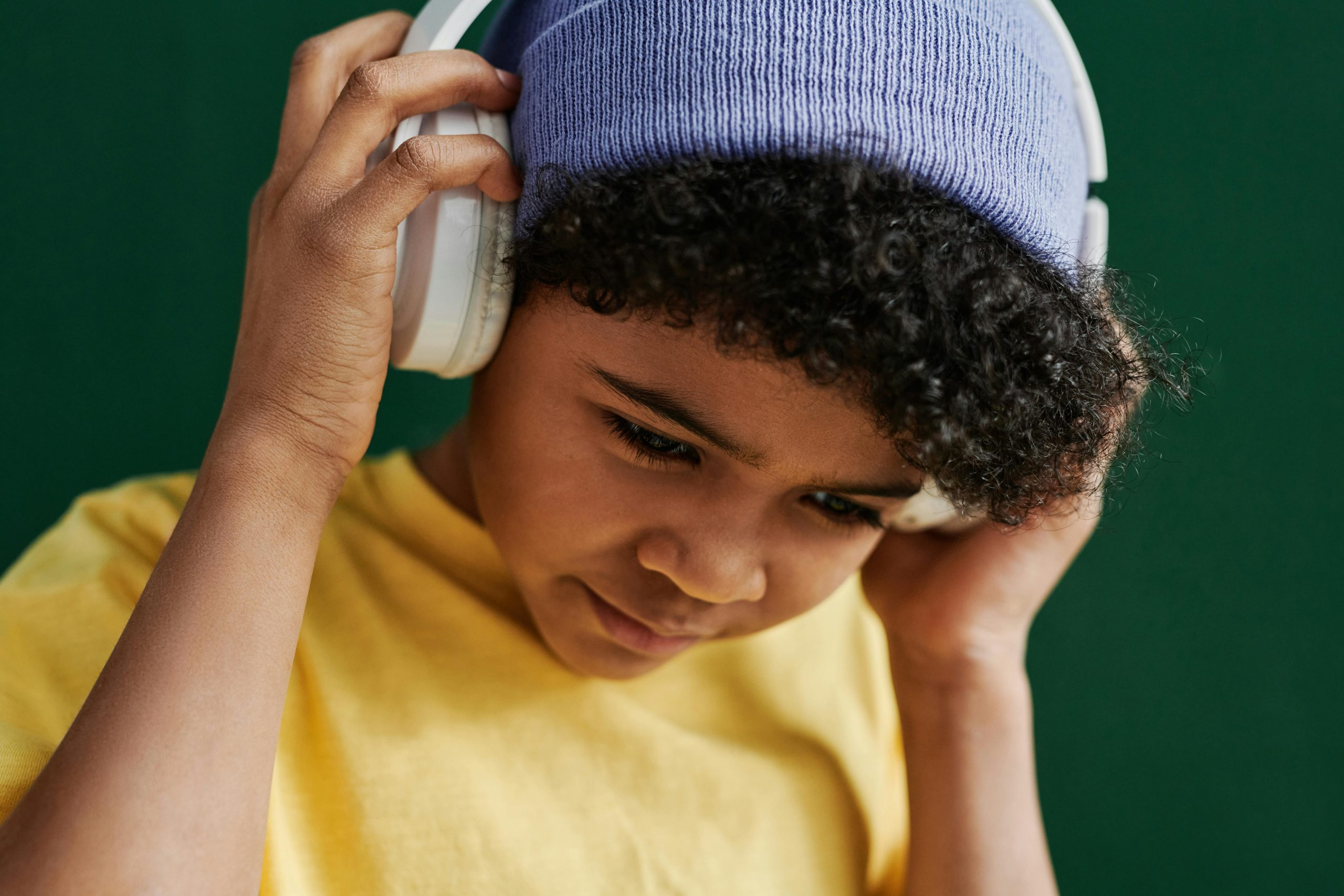
Understanding Music Streaming Algorithms
Music streaming algorithms are complex mathematical equations designed to analyze a user’s listening history and behavior to curate personalized recommendations. These algorithms take into consideration factors such as the type of music you listen to, how long you listen to a particular song or artist, and how frequently you skip or repeat songs. This data is then used to create a customized playlist for each user.
How Music Streaming Algorithms Shape Our Personal Listening Habits
The convenience of music streaming has made it easier than ever to discover new artists and songs. However, with the overwhelming amount of music available, it can be challenging to find new music that we truly enjoy. This is where music streaming algorithms play a crucial role. By analyzing our listening habits and preferences, these algorithms are constantly curating playlists that are tailored to our tastes.
Creating Music Bubbles
One of the ways music streaming algorithms shape our personal listening habits is by creating what is known as music bubbles. These bubbles refer to the personalized playlists and recommendations that are curated for each user based on their listening history. This can lead to a reinforcement of our existing music preferences, making it less likely for us to explore new genres and artists.
The Effects of Music Streaming Algorithms on Music Culture
As music streaming algorithms continue to dominate the way we consume music, it has also brought about changes in music culture. With algorithms pushing users towards mainstream artists and popular songs, it has become increasingly challenging for lesser-known artists to get their music heard. This can limit the diversity and creativity in the music industry, as the focus shifts towards creating music that will cater to the algorithms rather than to the artist’s individual style.
The Role of Human Curation
While music streaming algorithms have made it easier for us to discover new music, it is also essential to note the role of human curation in shaping our personal listening habits. Many streaming platforms employ human curators to create playlists that are not solely based on algorithms but also take into consideration other factors such as cultural relevance and musical diversity. This ensures that the music we are exposed to is not limited and helps us explore new genres and artists.
The Bottom Line
There’s no denying that music streaming algorithms have significantly influenced the way we consume music. While they have made it easier for us to find new music, it is crucial to be mindful of the role they play in limiting our exposure to diverse musical tastes. As users, we should strive to break out of our music bubbles and explore new genres and artists outside of the algorithms’ recommendations. After all, music is about discovery and personal preference, and algorithms should not dictate what we listen to.