The Impact Of Globalization On Traditional Ethnic Dress Styles
The world today is a global village, with people from different cultures and traditions coming together to share and learn from each other. This intermingling of cultures has brought about significant changes, especially in the way we dress. Traditional ethnic dress styles have not been spared from the impact of globalization. As the world becomes more interconnected, traditional garments are being influenced by international trends, leading to a blending of old and new. In this article, we will explore the impact of globalization on traditional ethnic dress styles and how it has affected the way we dress.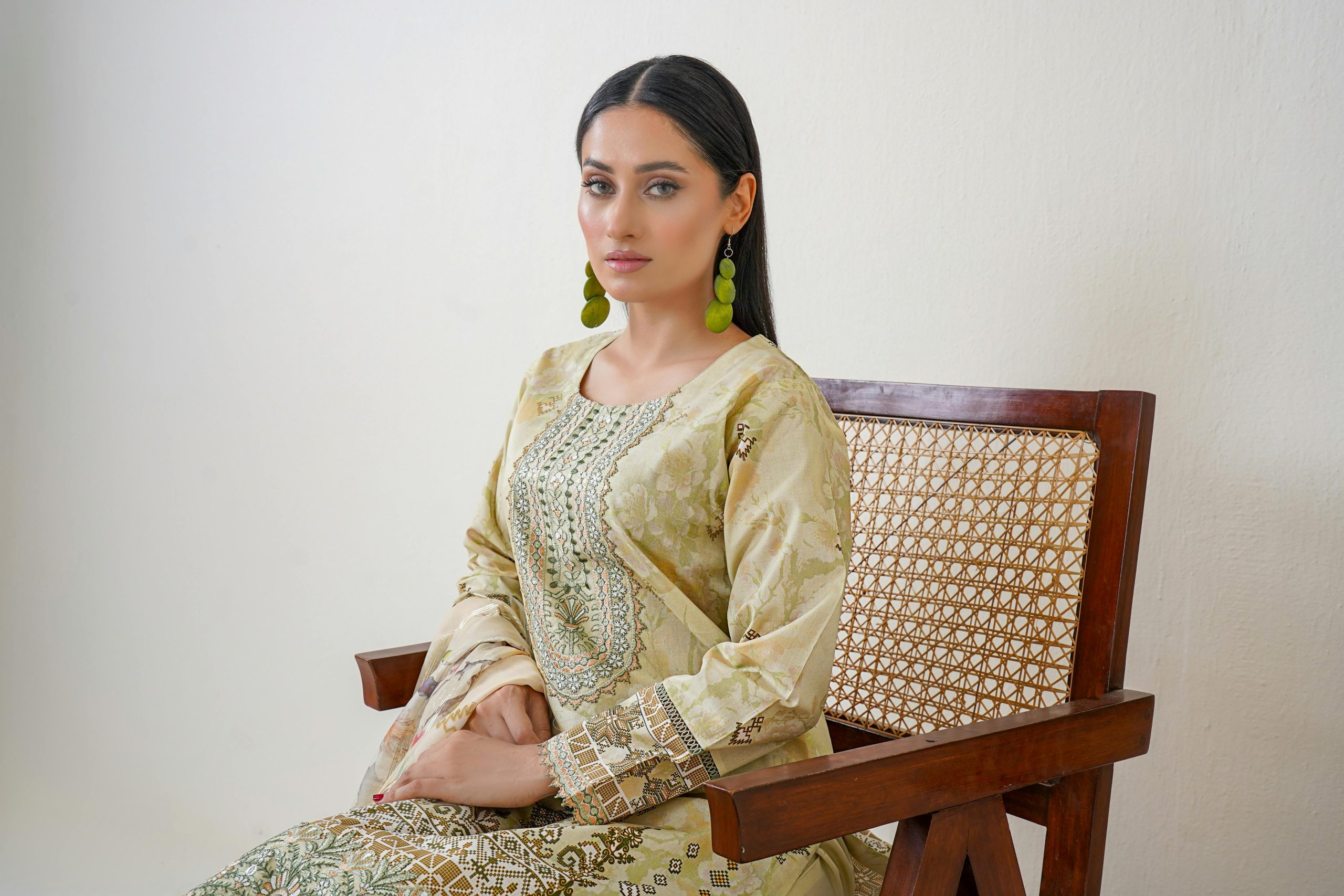
Introducing Traditional Ethnic Dress Styles
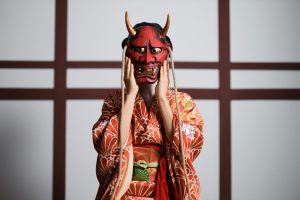
Traditional ethnic dress styles are an essential aspect of culture and heritage. They reflect the way people dress in a particular society and are often symbolic of a communities’ beliefs, customs, and values. In many countries, traditional attire is still worn daily, and it holds immense cultural significance. Traditional dress styles are not just pieces of fabric; they are an expression of identity and pride.
The Influence of Globalization on Traditional Ethnic Dress Styles
Introduction of Mass Production
With globalization, the fashion industry has evolved into a mass production machine. Traditional dress styles are no longer handmade by skilled artisans; instead, they are now mass-produced in factories using modern technology. This has led to a decline in the quality and authenticity of traditional garments. In many cases, traditional dress styles have lost their unique designs and have become more generic, catering to the demands of the international market.
Changing Consumer Preferences
Globalization has brought about a change in consumer preferences. Today’s consumers are more fashion-conscious and prefer to dress in modern, western-style clothing. This trend has affected the popularity and demand for traditional ethnic dress styles. The younger generations are more likely to opt for western clothing, and as a result, traditional garments are becoming less common and are only worn on special occasions or cultural events.
Influence of Western Fashion Trends
As traditional dress styles merge with western fashion trends, there is a decline in the distinctiveness of traditional garments. The rise of fast fashion has made it easier for people to access western-style clothing at affordable prices, which has reduced the demand for traditional garments. This has resulted in traditional ethnic dress styles losing their uniqueness and becoming more homogenous.
Adapting Traditional Dress Styles to Modern Times
On the other hand, some traditional dress styles have been able to adapt to modern times, catering to the needs and demands of the international market while still holding onto their unique cultural identity. For instance, the Indian saree has undergone many transformations to cater to the needs of modern women. Today, you can find sarees in various fabrics, designs, and styles, making it a popular choice for women worldwide.
The Impact on Cultural Identity
As traditional dress styles become more influenced by globalization, there is a concern that their cultural significance and identity are being lost. Traditional garments hold immense value in their cultural context, and any change to their design or meaning can be seen as a loss of cultural identity. As more and more people adopt western-style clothing, there is a fear that traditional garments will become obsolete and forgotten.
The Way Forward
It is essential to find a balance between preserving cultural identity and embracing globalization. Governments and organizations must take steps to safeguard traditional dress styles and keep them relevant in today’s world. This can be achieved by promoting and supporting traditional artisans and providing them with opportunities to showcase their skills on a global platform.
In conclusion, the impact of globalization on traditional ethnic dress styles has been significant. While it has led to a decline in the uniqueness and popularity of traditional garments, there is also an opportunity for these styles to evolve and adapt to modern times. It is up to us to ensure that traditional dress styles do not become a thing of the past and continue to hold their cultural significance for generations to come.