
Exploring The World Of Tea Varieties And Proper Brewing Methods
Welcome to the wonderful world of tea, where a single cup can transport you to different countries, cultures, and traditions. There’s more to tea than just being a comforting hot beverage – it’s an entire journey in a cup. From delicate green teas to robust black teas, each variety offers a unique taste, aroma, and experience. And to truly enjoy your cup of tea, it’s essential to understand the different types of tea and the proper brewing methods. So, let’s dive into the fascinating world of tea varieties and brewing methods.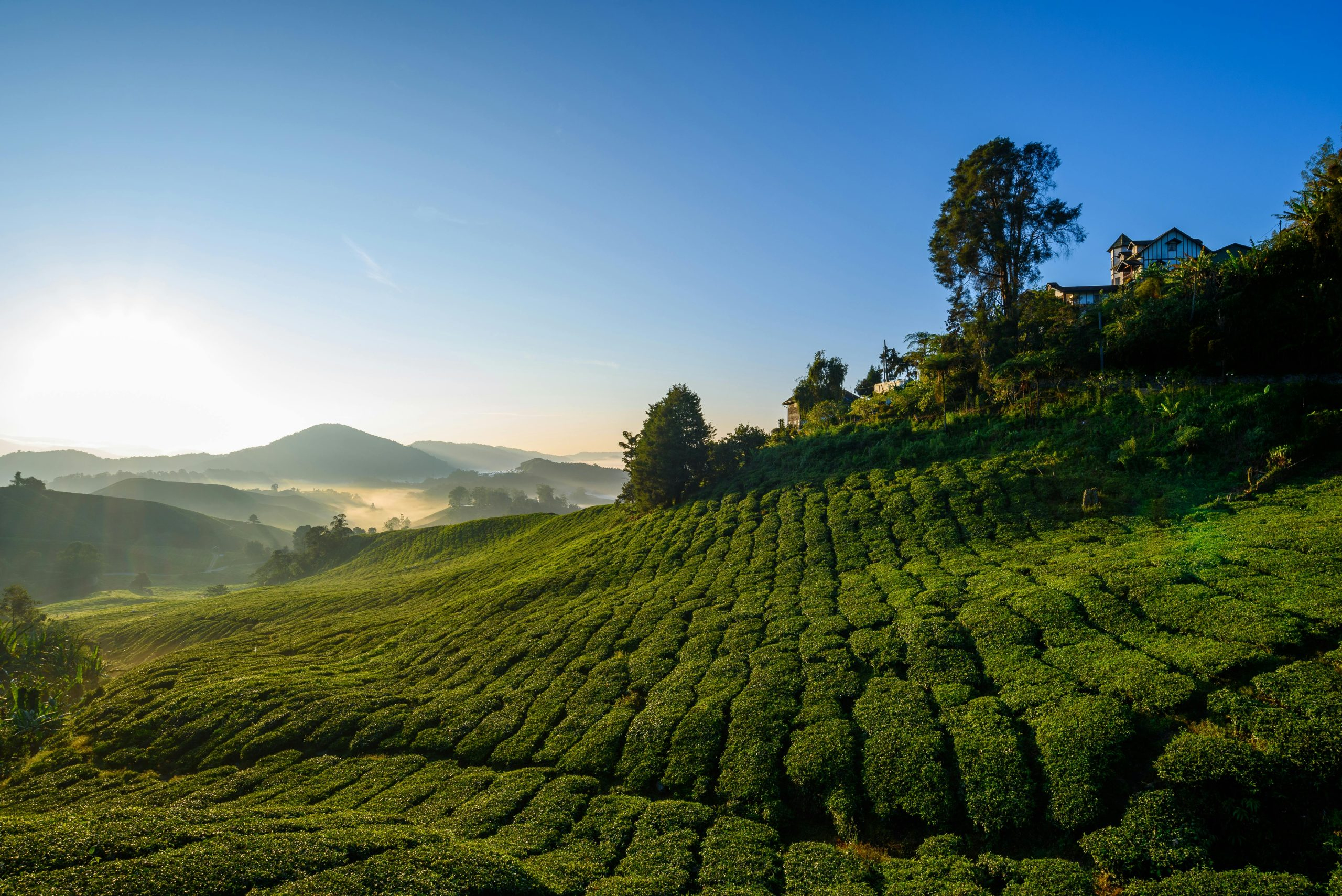
The Different Types of Tea
Tea comes from the Camellia sinensis plant, and its varieties are defined by how the leaves are processed after being harvested. There are six main types of tea – white, green, yellow, oolong, black, and dark (pu-erh), each with its distinct characteristics and flavors. Let’s explore them in detail.
White Tea
Considered one of the rarest and most delicate types of tea, white tea undergoes minimal processing, which allows its natural flavors and aroma to shine through. The leaves are picked when they’re still young and covered with fine white hairs, giving the tea its name. White tea has a delicate, slightly sweet taste and a pale color. It’s also known for its high antioxidant content, making it a popular choice among health-conscious tea drinkers.
Green Tea
Green tea is a staple in many Asian cultures and has gained popularity worldwide for its numerous health benefits. The leaves of green tea are harvested, quickly heated, and then dried, preserving their vibrant green color and fresh taste. It has a slightly grassy, vegetal flavor with a hint of bitterness. Green tea is also known for its high concentration of antioxidants and is often used in traditional medicine to treat various ailments.
Yellow Tea
Yellow tea is a rare and relatively unknown type of tea, even among tea enthusiasts. It’s produced similarly to green tea, but with an extra step in the process known as “smothering.” This step gives the tea its unique yellow color and a milder, less grassy taste compared to green tea. Yellow tea is also said to have a smoother, less astringent finish, making it a great option for those who find green tea too bitter.
Oolong Tea
Oolong tea is a partially oxidized tea with a complex and robust flavor profile. It’s created by withering the leaves in the sun and then bruising them, allowing for a slow and controlled oxidation process. Oolong teas can range from light and floral to dark and toasty, depending on the level of oxidation. They’re often referred to as the “champagne of teas” and are a favorite among tea connoisseurs.
Black Tea
Black tea is the most widely consumed type of tea. It’s made by fully oxidizing the leaves, giving it a bold and robust flavor. The leaves are rolled, allowing the juices to oxidize and giving the tea its dark color. Black teas are often bold, malty, and even slightly bitter, with a deep, rich color. They’re also the most caffeinated type of tea, making them a great alternative to coffee for those looking for an energy boost.
Dark (Pu-erh) Tea
Pu-erh teas are aged and fermented, giving them a unique earthy and mellow flavor. The tea leaves are compressed into cakes or bricks and allowed to mature for several years, sometimes even decades. This process gives the tea its distinct flavor, often described as woodsy or musty. Pu-erh teas are also known for their digestive benefits and are commonly consumed after a heavy meal in Chinese culture.
Proper Brewing Methods
Now that we’ve explored the different types of tea let’s dive into the proper brewing methods to get the most out of your cuppa. While each type of tea requires a slightly different approach to achieve optimal flavor, there are some general rules to follow to ensure a perfect brew every time.
Water Temperature
Water temperature plays a crucial role in brewing tea. Water that’s too hot can burn the delicate tea leaves, resulting in a bitter and unpleasant taste. For white, green, and yellow teas, the ideal water temperature is around 160-180°F (71-82°C). Oolong and black teas require slightly higher temperatures, around 190-212°F (88-100°C), while pu-erh teas can handle boiling water.
Brewing Time
Along with water temperature, the brewing time also varies depending on the type of tea. Generally, the more delicate the tea, the shorter the brewing time. For white and green teas, 2-3 minutes is enough, while oolong and black teas can be steeped for 3-5 minutes. Pu-erh teas can be steeped for up to 10 minutes for a strong and flavorful cup.
Brewing Vessel
The type of vessel you use for brewing can also affect the taste of your tea. Porcelain, ceramic, and glass vessels are ideal for delicate teas like white and green teas as they won’t add any additional flavor to the tea. Oolong and black teas can be brewed in a wider variety of vessels, including clay pots, which can enhance their flavor. Pu-erh teas are traditionally brewed in clay pots or gaiwans for the best results.
There you have it – a journey through the world of tea varieties and proper brewing methods. So, the next time you make a cup of tea, take a moment to appreciate the intricate process that has gone into creating that perfect blend, and savor each sip as it transports you to a different time and place. Cheers to the beautiful world of tea!