The Role Of Rhythm In Developing Early Childhood Motor Skills
If you’ve ever watched a group of young children dance or clap to a catchy tune, you may have noticed something interesting – they seem to be naturally in sync with the rhythm of the music. This is no coincidence. As humans, we are hardwired to respond to rhythm from a very young age. In fact, rhythm plays a crucial role in the development of many skills in early childhood, including motor skills. In this article, we will dive into the fascinating world of rhythm and explore its impact on the development of motor skills in young children.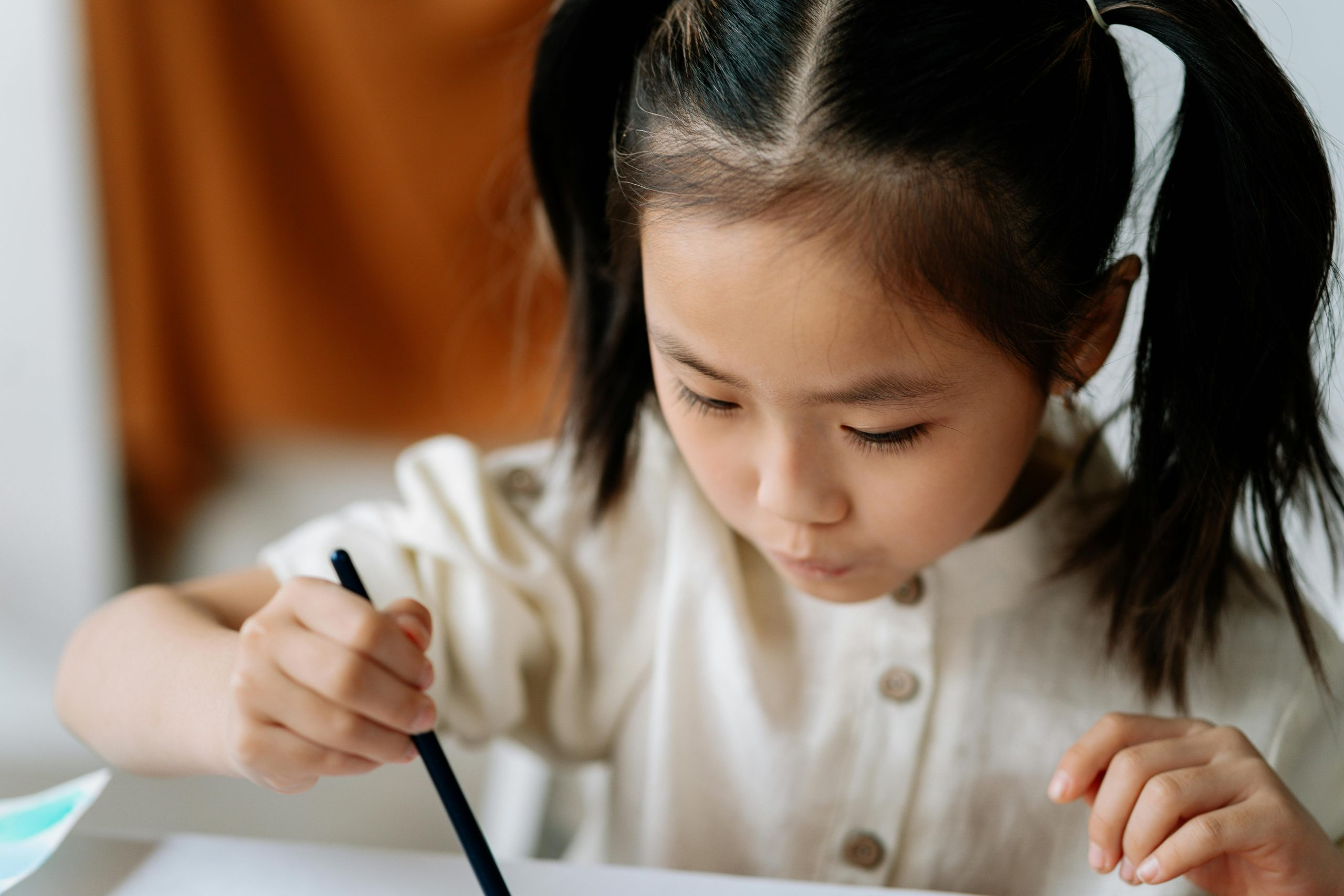
The Science Behind Rhythm
Before we delve into the role of rhythm in motor skill development, let’s first understand what rhythm actually is and why it has such a profound effect on us. Rhythm is a pattern of sounds and/or movements that are repeated in a specific order and at a specific pace. It is a regular pulse that can be found in music, speech, and even in our everyday movements.
But what makes us respond to rhythm? The answer lies in our brains. Our brains have a specialized area known as the auditory cortex, which processes sound. When we hear a rhythm, this area in our brain becomes activated and starts to synchronize with the rhythm. This synchronization leads to the release of dopamine, a neurotransmitter that is responsible for feelings of pleasure and reward. This is why we often feel good when we listen to music or move in rhythm – our brains are rewarding us for this activity.
The Connection Between Rhythm and Motor Skills
Now that we understand the science behind rhythm, let’s explore how it impacts the development of motor skills in early childhood. Motor skills refer to the ability to control and coordinate movements of our muscles. These skills are divided into two categories – gross motor skills and fine motor skills. Gross motor skills involve large muscle movements such as crawling, walking, and jumping, while fine motor skills involve smaller muscle movements, such as using a crayon or holding a spoon.
Children are not born with fully developed motor skills. These skills develop over time, and rhythm plays a crucial role in this development. When young children move or clap to a rhythm, they are engaging both their gross and fine motor skills. This helps them to strengthen and refine these skills, leading to better coordination, balance, and control of their movements.
Gross Motor Skills
Rhythm can be particularly beneficial for the development of gross motor skills. The repetitive movements and patterns in rhythm help children to become more aware of their bodies and how they move. Dancing, jumping, and skipping to a rhythm also help children to develop their spatial awareness, as they learn to navigate their bodies in relation to the beat. These activities also help to improve balance and coordination, as children learn to move their bodies in sync with the rhythm.
Fine Motor Skills
Rhythm also has a positive impact on the development of fine motor skills. When children clap or tap along to a beat, they are using their fingers and hands in a controlled manner, which helps to strengthen these muscles. As they become more proficient in keeping up with the rhythm, they are also improving their hand-eye coordination and dexterity.
The Importance of Incorporating Rhythm in Early Childhood
As we can see, rhythm can be a powerful tool for the development of motor skills in children. But its benefits go beyond just physical development. Dancing and moving to a rhythm also have a positive impact on social and emotional development. It encourages children to interact and engage with others, aiding in the development of important social skills.
Incorporating rhythm into a child’s daily routine can also have a calming effect. Moving in rhythm to music has been shown to reduce stress and anxiety, helping children to regulate their emotions and behavior. Additionally, it can also improve focus and concentration, setting a strong foundation for learning.
In Conclusion
From improving gross and fine motor skills to promoting social and emotional development, rhythm plays a significant role in the development of young children. Taking the time to incorporate music and movement in a child’s daily routine can have numerous long-term benefits. So the next time you see young children dancing or clapping to a tune, remember that they are not just having fun, they are also strengthening their bodies and minds through the power of rhythm.