
How To Practice Self Compassion During Difficult Personal Seasons
Life is full of both highs and lows. While we often celebrate and embrace the good times, the difficult seasons can be overwhelming and challenging to navigate. Whether it’s a loss of a loved one, a job, a relationship, or struggling with mental health issues, difficult personal seasons can leave us feeling lost, broken, and alone. During these times, it’s easy to criticize and beat ourselves up for not being able to handle the situation better. However, the key to surviving and even thriving in these trying times is practicing self-compassion.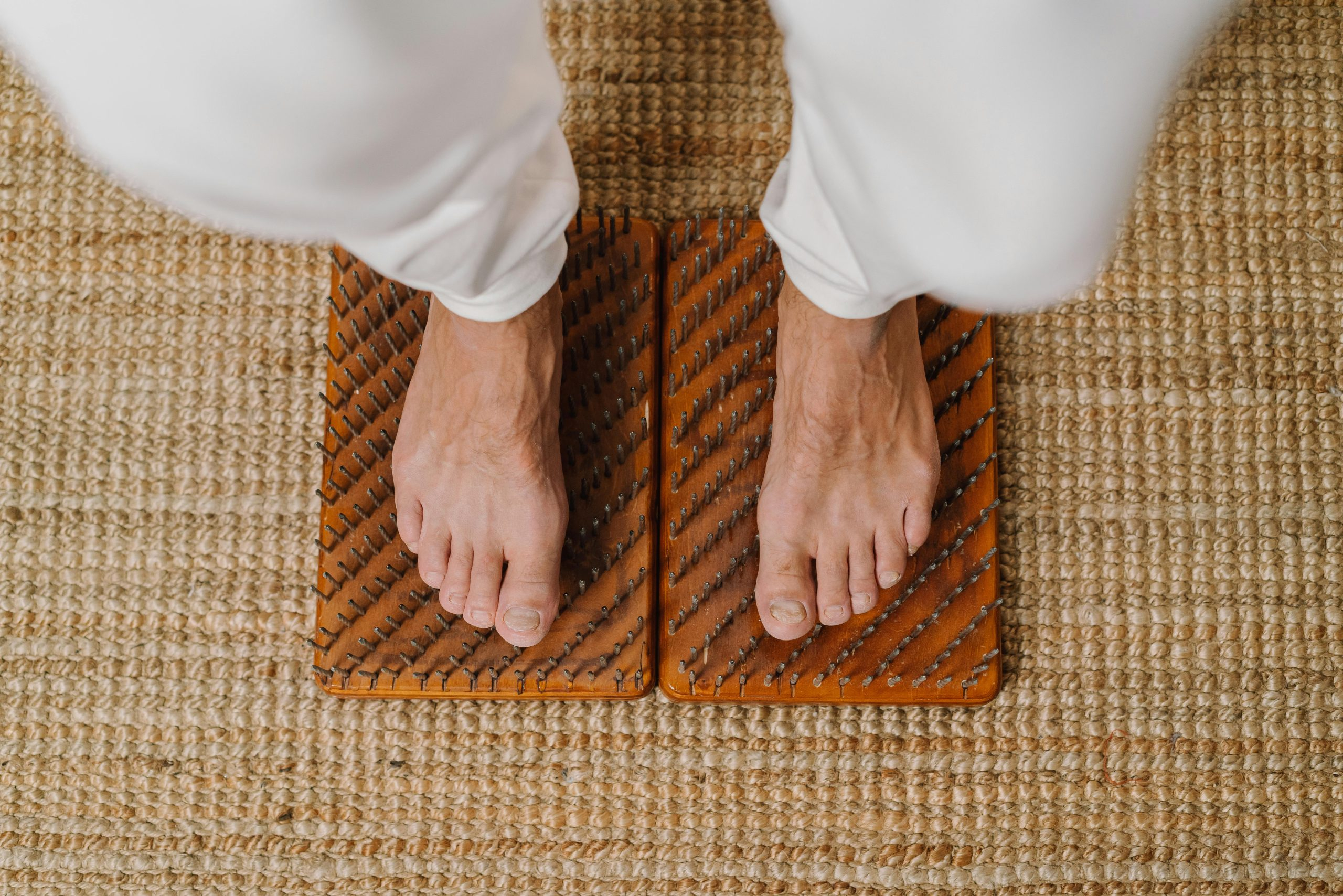
The Power of Self-Compassion
Self-compassion is often misunderstood as self-pity or self-indulgence. However, it is far from that. Self-compassion is a powerful act of self-care and self-love. It is the practice of treating ourselves with the same kindness, care, and understanding that we would show to a dear friend in need. In difficult personal seasons, self-compassion allows us to acknowledge our pain and suffering without judgment and helps us to find the strength and courage to move forward.
The Three Elements of Self-Compassion
Dr. Kristin Neff, a pioneer in the field of self-compassion, identifies three core elements of self-compassion: self-kindness, common humanity, and mindfulness. Let’s take a closer look at each of these elements and how we can incorporate them into our daily lives to practice self-compassion during difficult personal seasons.
Self-Kindness
Self-kindness is all about being understanding and gentle with ourselves. Instead of harsh self-criticism, self-kindness involves using a compassionate tone of voice and offering words of encouragement and support to ourselves. When going through a difficult personal season, take a moment to pause and acknowledge the pain you are feeling. Treat yourself with kindness, as you would to a friend in need. This gentle approach will help you to be more patient and understanding with yourself.
Common Humanity
In difficult personal seasons, it’s common to feel isolated and alone. However, the truth is that everyone goes through challenging times in their lives. Remind yourself that you are not alone in your pain. Connecting with others who are going through similar experiences can help you feel more supported and understood. Remember, we are all human, and it’s okay to struggle.
Mindfulness
Mindfulness is the practice of being present and aware of our thoughts, feelings, and physical sensations without judgment. It allows us to experience our emotions without getting caught up in them. In difficult personal seasons, we may experience a range of emotions, from anger and frustration to sadness and grief. Instead of trying to suppress these emotions, allow yourself to feel them and be curious about them. This can help you better understand your emotions and how to manage them in a healthy way.
Ways to Practice Self-Compassion
Now that we have a better understanding of the elements of self-compassion, let’s explore some practical ways to incorporate self-compassion into our lives during difficult personal seasons.
Practice Self-Care
Self-care is an essential aspect of self-compassion. During difficult personal seasons, it’s crucial to take care of your physical, emotional, and mental well-being. This can include getting enough sleep, exercising, eating healthily, spending time in nature, or engaging in activities that bring you joy.
Engage in Positive Self-Talk
The words we say to ourselves matter. In difficult times, it’s easy to fall into a pattern of negative self-talk. Whenever you catch yourself being self-critical, try to reframe those thoughts with more compassionate and understanding words. For example, instead of saying, “I am a failure,” say, “I am doing the best I can, and that’s enough.”
Be Grateful
It may be challenging to find things to be grateful for when going through a difficult time. However, even in the midst of pain and suffering, there are still things to be thankful for. Practicing gratitude can help shift your focus away from your struggles and onto the positive aspects of your life.
Seek Help and Support
It takes strength and courage to ask for help, but during difficult personal seasons, it’s essential to have a support system. Whether it’s a friend, family member, therapist, or support group, talking to others and sharing your struggles can help you feel less alone and give you the support and encouragement you need to overcome your challenges.
A Final Note
Difficult personal seasons may seem never-ending, but it’s crucial to remember that they will eventually come to an end. In the meantime, practicing self-compassion can help you navigate these challenging times with more grace and resilience. So be kind to yourself, remind yourself that you are not alone, and remember to always show yourself the love and compassion you deserve.