
Understanding The Benefits Of Bilingual Education For Early Learners
Bilingual education has become increasingly popular in today’s globalized society. With the rise of international connections and cross-cultural collaborations, the ability to communicate in more than one language has become a highly valued skill. And when it comes to learning languages, there’s no better time to start than in early childhood. Bilingual education for young children not only provides them with the immediate ability to understand and communicate in two or more languages, but it also offers long-term benefits that extend far beyond the classroom. In this article, we will dive into the various advantages that bilingual education brings to early learners and why it is worth investing in this type of education for your child.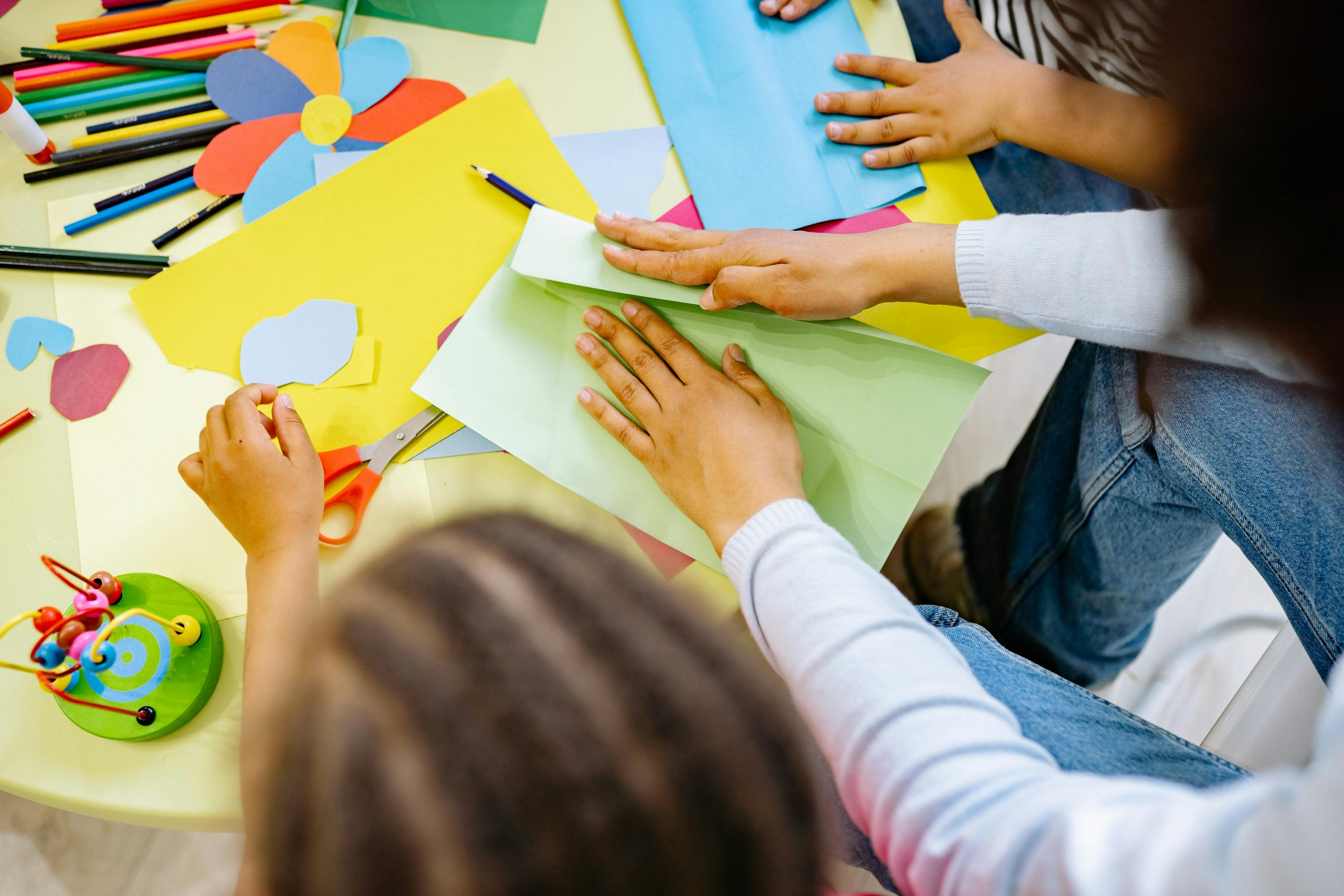
Improved Cognitive Development
It has been found that children who are exposed to a bilingual environment from a young age have a better cognitive flexibility and attention control. This means that they are better at switching between tasks and focusing their attention, which can lead to enhanced problem-solving skills and academic performance. In fact, studies have shown that bilingual children tend to outperform their monolingual peers in tasks that involve critical thinking and mental flexibility.
This advantage of bilingual education can also be attributed to the nature of the learning process. As children are exposed to and have to navigate between multiple languages, their brains become accustomed to processing and interpreting linguistic cues from different sources. This results in a more well-rounded and active brain, which can have positive effects not only on academic ability but also on overall brain development.
Enhanced Communication Skills
As obvious as it may seem, one of the main benefits of bilingual education is the ability to communicate in multiple languages. And when it comes to early learners, this can have a huge impact on their communication skills. By being introduced to different languages, children learn to adapt and use appropriate communication styles in different contexts, which can make them more versatile and effective communicators. They also tend to have a better understanding of different cultures and ways of thinking, which can make them more empathetic and open-minded.
Additionally, being bilingual can also boost a child’s confidence and self-esteem. As they acquire proficiency in a second language, they are able to communicate with a wider range of people, which can create a sense of accomplishment and empowerment. This can be especially beneficial for children who may have previously struggled with language barriers and communication difficulties.
Increased Career Opportunities
In today’s competitive job market, being bilingual is a huge advantage. With the increasing globalization of businesses, employers are looking for individuals who can communicate with clients and colleagues from different parts of the world. This makes bilingual individuals highly sought after and can open up a plethora of career opportunities in various industries.
For early learners, starting bilingual education at a young age can give them a head start in building this valuable skill. As they continue their education and enter the workforce, they will already have the language proficiency and cross-cultural competence that many employers are looking for. This can give them a competitive edge and pave the way for a successful and fulfilling career.
Promotes Multicultural Understanding
In addition to its practical benefits, bilingual education also plays a crucial role in promoting cultural understanding and acceptance. When children are exposed to different languages and cultures, they gain a deeper understanding of the world around them. They learn to appreciate and respect diversity, and this can help break down barriers and promote inclusivity.
Bilingual education also provides a platform for cultural exchange and learning. By learning a new language, children are exposed to different customs, traditions, and ways of life. They may even have the opportunity to interact with native speakers of that language, giving them a firsthand experience of another culture. This not only broadens their perspectives but also encourages them to become global citizens with a deeper appreciation for different cultures and values.
Conclusion
The benefits of bilingual education for early learners are numerous and far-reaching. From improved cognitive development to better communication skills and increased career opportunities, this type of education offers advantages that extend well into adulthood. Additionally, it promotes multicultural understanding and acceptance, making it an important step towards creating a more inclusive and diverse society. Investing in bilingual education for your child will not only equip them with a valuable skill but also give them a competitive edge in today’s globalized world.