
Developing Resilience In Students Facing Significant Academic Pressure
As students navigate the academic journey, they are often faced with significant pressure to excel in their studies. From the demands of rigorous coursework to the expectations of parents and teachers, students can feel overwhelmed and stressed. This pressure can lead to feelings of overwhelm, self-doubt, and burnout. However, resilience is a crucial skill that can help students thrive in the face of academic pressure. In this article, we will explore the concept of resilience and provide practical strategies for developing resilience in students facing significant academic pressure.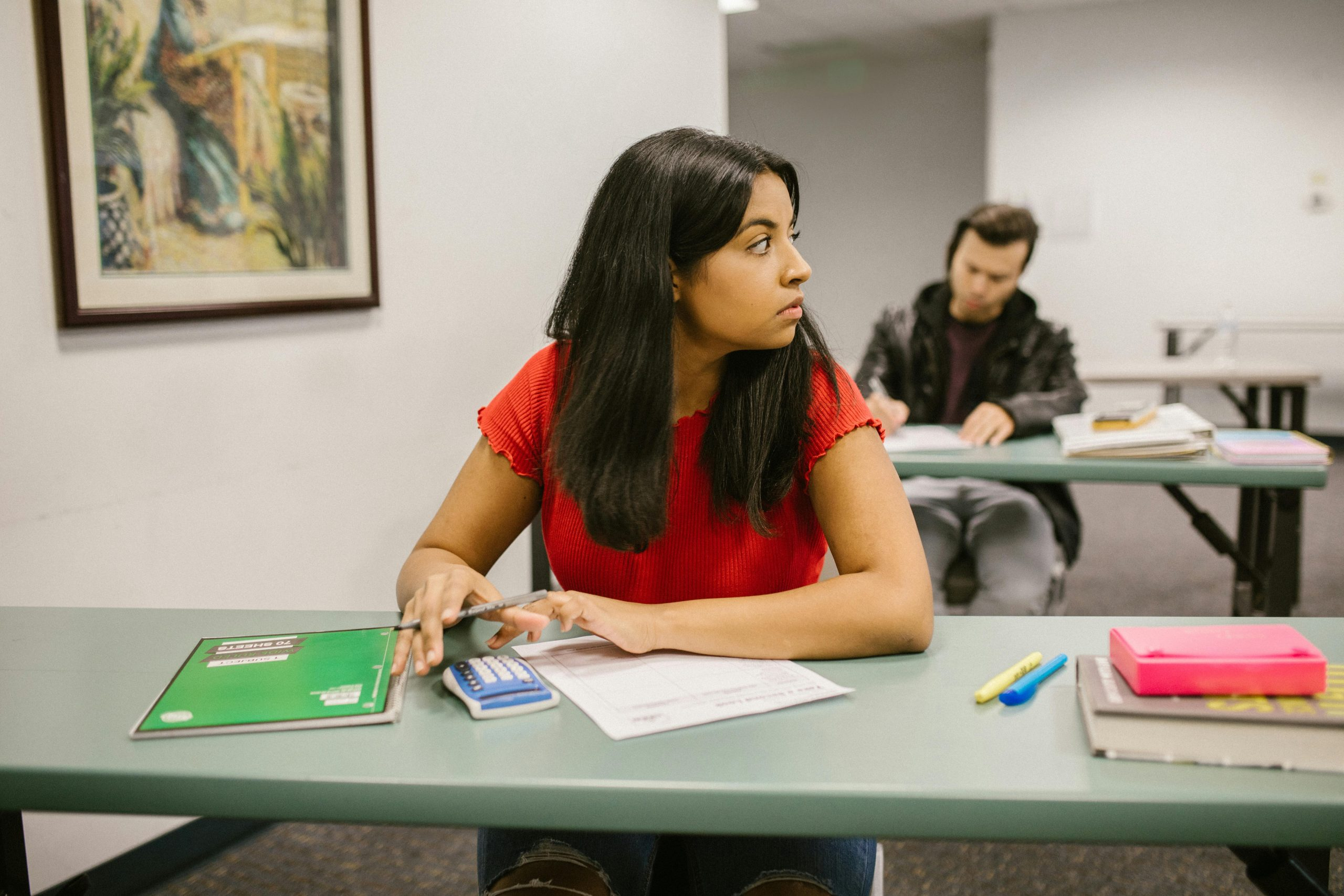
Understanding Resilience
Resilience can be defined as the ability to adapt and bounce back from challenging situations. It involves having a positive attitude, coping skills, and the ability to overcome difficulties. Research has shown that resilience is a vital factor in determining success and well-being in various areas of life, including academics.
Developing resilience is an ongoing process that requires intentional effort and practice. It is not a trait that someone either has or does not have. Instead, it is a set of skills and behaviors that can be learned and strengthened over time.
The Impact of Academic Pressure on Students
Academic pressure can take a toll on students’ mental health and well-being. The pressure to succeed academically can lead to a variety of negative consequences, such as anxiety, depression, and even burnout. Students may also experience physical symptoms, such as headaches and fatigue, as a result of academic pressure.
With the rise of social media and comparison culture, students can also feel pressure to live up to unrealistic expectations. This can cause them to lose sight of their own goals and strengths, leading to feelings of inadequacy and low self-esteem.
Strategies for Building Resilience
Building resilience in students can equip them with the tools to handle academic pressure and thrive under stressful situations. Here are some practical strategies for developing resilience in students:
Encourage Self-care
Self-care is crucial for maintaining mental and physical well-being. Students need to be reminded to take care of themselves and prioritize their health. Encourage them to get enough sleep, eat well, and take breaks from their studies. Additionally, engaging in activities they enjoy can help reduce stress and improve overall well-being.
Teach Problem-Solving Skills
Experiencing academic pressure can leave students feeling helpless and overwhelmed. By teaching students problem-solving skills, they can learn how to break down tasks into manageable steps and find effective solutions to their challenges. This can help them approach stressful situations with a more positive and proactive mindset.
Provide a Supportive Environment
Having a supportive environment can play a significant role in developing resilience in students. Teachers, parents, and peers can all serve as positive role models and sources of support for students. By offering a safe and encouraging space, students can feel more motivated and confident to face academic challenges.
Conclusion
Developing resilience in students facing significant academic pressure is crucial for their overall well-being and success. By understanding the concept of resilience and implementing practical strategies, students can learn to cope with academic pressure, overcome setbacks, and thrive in the face of adversity.
As educators and parents, it is essential to support students’ development of resilience and create an environment where they feel empowered and capable of handling the pressures of academics. With resilience, students can not only succeed in their studies, but also in life.